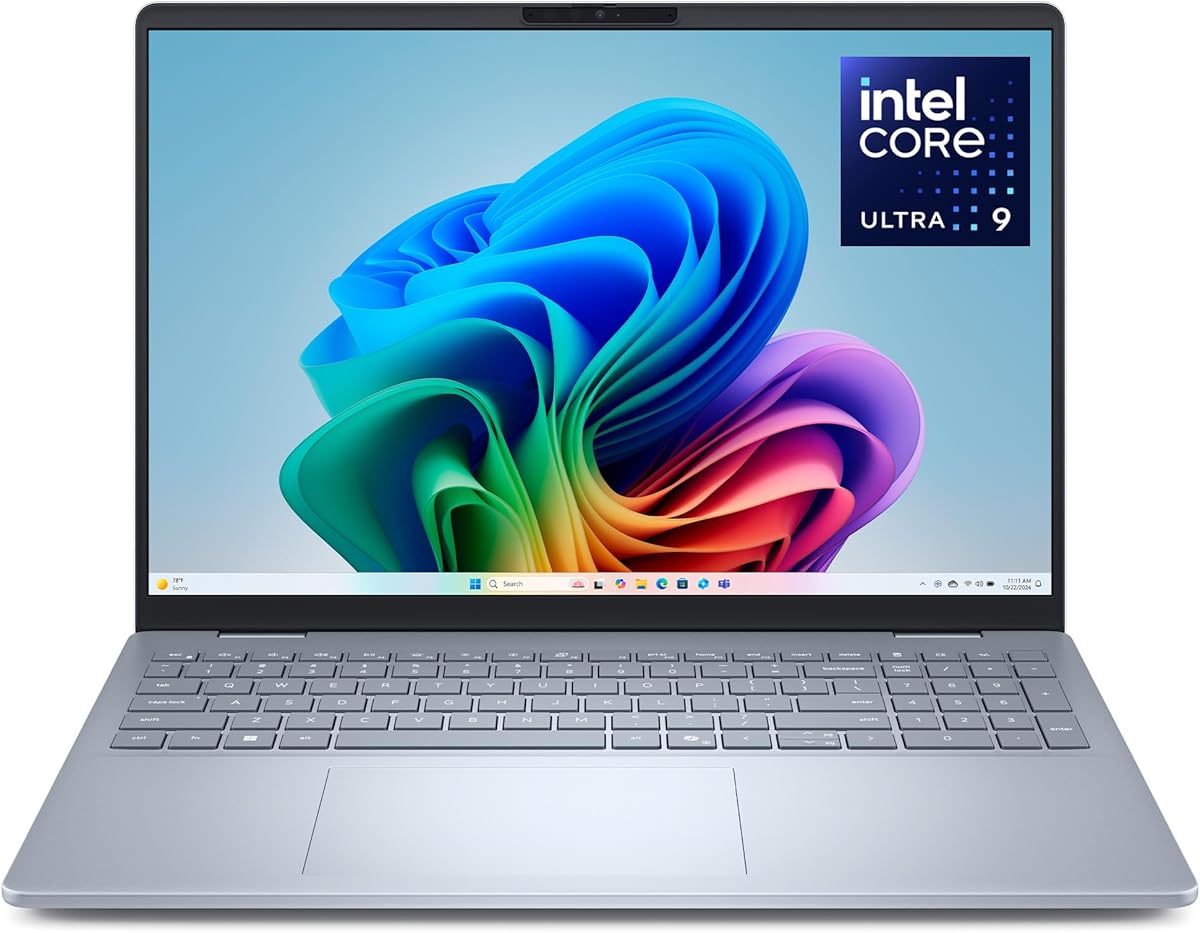
Dell 16 Plus Laptop
4.3Editor score
QHD+ screen
Core Ultra 9 288V
32GB RAM capacity
Photographers need reliable laptops that handle color accuracy and processing speed. Lightroom Classic demands strong performance for editing large files smoothly.
We evaluated ten laptops based on display quality, processor power, and memory. These models offer the best balance for professional and hobbyist photo editing.
Each pick highlights key strengths and trade-offs for your workflow. Prices and availability change frequently, so check current listings before buying.
4.3Editor score
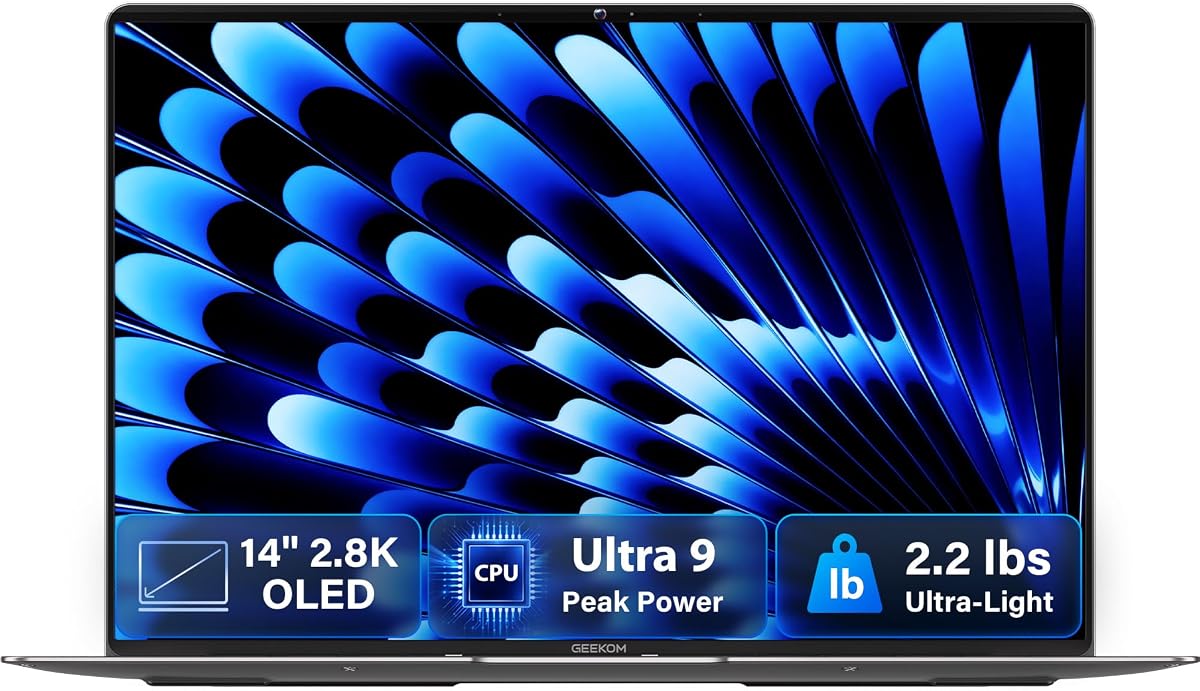
4.3Editor score

4.7Editor score
As an Amazon Associate we earn from qualifying purchases.
This side-by-side comparison highlights key specifications across all ten selected laptops to help you choose the right model for your editing needs.

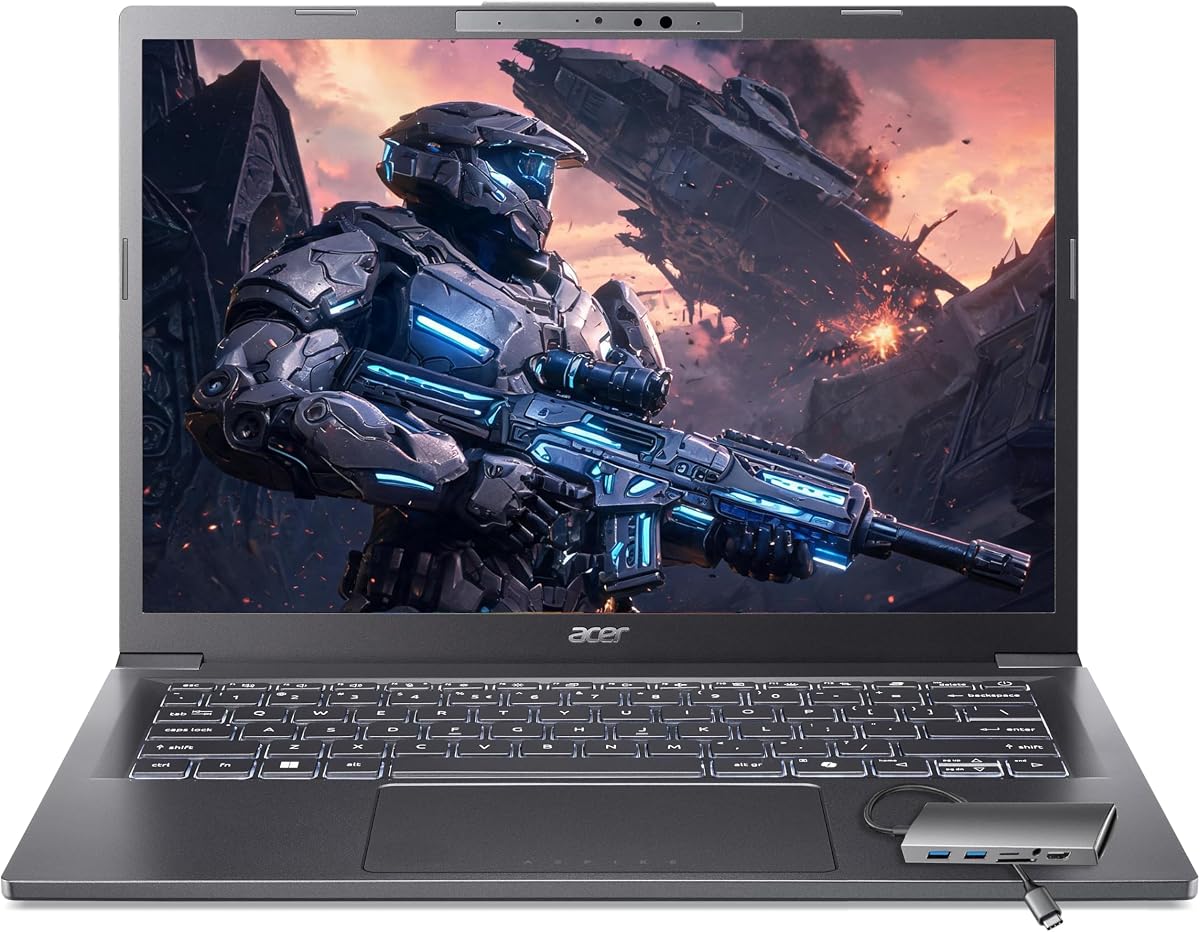


The GEEKOM GeekBook X14 Pro delivers stunning visual clarity for photo editing with its 2.8K OLED screen. It holds a strong 4.3 rating for color accuracy and build quality.
We may earn a commission when you buy through this link, at no additional cost to you.
Its 100% DCI-P3 coverage ensures precise color reproduction essential for Lightroom Classic. The lightweight chassis makes it ideal for photographers on the move.
Trade-offs include reliance on integrated graphics which may slow heavy exports. The OLED screen risks burn-in over years of static interface use.
Buy this if you prioritize color fidelity and portability over raw rendering speed. It fits creative professionals needing a reliable daily driver.
The OLED panel provides true blacks and vibrant hues for precise adjustments.
Weighing only 2.2 lbs this laptop slips easily into any camera bag.
We may earn a commission when you buy through this link, at no additional cost to you.
The LG gram 17Z95P offers a spacious 17 inch screen in a remarkably light body. It is rated well for its balance of size and portability.
We may earn a commission when you buy through this link, at no additional cost to you.
Its 99% DCI-P3 color expression supports accurate editing while the large format helps with complex layouts. The 80Wh battery supports all-day use away from outlets.
However the 11th gen processor and 16GB RAM may lag with large catalog files or multi-tasking. Upgrading RAM is not possible due to soldered memory.
Choose this if you need a large display without heavy weight. It suits mobile editors who value screen real estate over peak processing power.
The 17 inch panel allows multiple open windows for smooth multitasking.
An 80Wh battery provides extended runtime for remote editing sessions.
We may earn a commission when you buy through this link, at no additional cost to you.
The Acer Aspire Laptop 2026 stands out with high ratings for its AI acceleration and large storage. It features a touchscreen for intuitive editing.
We may earn a commission when you buy through this link, at no additional cost to you.
The Intel Ultra 7 258V processor with NPU aids in tasks like background removal. Its 2TB SSD holds extensive photo libraries without external drives.
However it is thicker than typical ultrabooks and fans may become audible under load. The battery life is good but not class-leading for a 14 inch model.
Buy this if you need massive storage and AI features for efficient workflows. It fits users managing large catalogs who prioritize performance over thinness.
Two terabytes of space supports extensive RAW file archives easily.
Built-in NPU speeds up local AI editing tasks like masking.
We may earn a commission when you buy through this link, at no additional cost to you.
The NIMO 15.6 AI Creator Laptop receives perfect ratings for its value and upgrade potential. It is a solid choice for beginners learning Lightroom.
We may earn a commission when you buy through this link, at no additional cost to you.
Its Ryzen 5 6600H provides robust performance for basic editing and the DDR5 RAM is upgradeable. The 512GB SSD ensures fast system response.
However the 1080p IPS screen lacks color accuracy for professional grading. It is better suited for casual users than professionals needing high fidelity.
Choose this if you need a budget-friendly machine with expansion options. It fits students or hobbyists prioritizing raw speed over screen quality.
RAM slots allow upgrades to 64GB for future-proofing your system.
A two-year warranty provides peace of mind for long-term use.
We may earn a commission when you buy through this link, at no additional cost to you.
The Dell 16 Plus Laptop is a premium machine with top-tier processing power. It features a large QHD+ display ideal for detailed retouching.
We may earn a commission when you buy through this link, at no additional cost to you.
Its Core Ultra 9 288V processor ensures smooth performance for complex edits and AI tools. The aluminum chassis passes military-grade testing for durability.
However it is heavy and expensive compared to competitors. This limits its suitability for travel unless performance is the primary concern.
Buy this if you need a reliable desktop replacement for heavy editing. It suits professionals working from fixed locations who value build quality.
The Ultra 9 processor handles demanding batch exports without lag.
Military-grade testing ensures the chassis withstands daily rigors.
We may earn a commission when you buy through this link, at no additional cost to you.
The NIMO 15.6 AI Creator Laptop offers strong performance with 32GB RAM and a fast SSD. It balances cost and power effectively for creatives.
We may earn a commission when you buy through this link, at no additional cost to you.
Its Ryzen 7 8745HS processor supports demanding tasks including 3D rendering and high-bitrate video editing. The 180-degree hinge aids collaboration.
However the 1080p screen may lack detail for professional photo grading. Fans might activate under sustained heavy loads causing distraction.
Choose this if you need high specs on a mid-range budget. It fits creators managing multiple tasks who need consistent multitasking.
32GB RAM ensures smooth switching between Lightroom and browsers.
Additional slots allow upgrades for storage and memory needs.
We may earn a commission when you buy through this link, at no additional cost to you.
The HP 17 Inch Laptop offers a spacious screen with robust memory for productivity. It is highly rated for its balanced specifications.
We may earn a commission when you buy through this link, at no additional cost to you.
Its 17.3-inch display provides ample workspace for panels and previews. The 32GB RAM supports smooth editing workflows without lag.
However it is heavy and bulky for frequent travel. The display is adequate but not exceptional for professional color grading.
Buy this if you work primarily from a fixed desk. It fits users needing a large workspace without premium price tags.
A 17.3-inch panel allows side-by-side editing and browsing windows.
The included numeric keypad helps manage spreadsheets quickly.
We may earn a commission when you buy through this link, at no additional cost to you.
The HP 17 Laptop is an affordable option with a large screen and modern DDR5 support. It is rated well for entry-level video editing tasks.
We may earn a commission when you buy through this link, at no additional cost to you.
Its 17.3-inch display offers good visibility for editing. The Ryzen 5 processor handles basic Lightroom workflows efficiently.
However 8GB RAM is a bottleneck for complex catalogs. This may lead to slowdowns when multitasking with browsers.
Choose this if you need a budget big screen for basic tasks. It fits casual editors working with smaller file sizes.
A large display helps visualize details in complex photos.
DDR5 RAM provides faster data access than older memory types.
We may earn a commission when you buy through this link, at no additional cost to you.
The 2026 Laptops Computer is a basic portable machine suitable for light tasks. It includes essential software and has a thin design.
We may earn a commission when you buy through this link, at no additional cost to you.
Its Pentium processor and limited storage make it less ideal for intensive editing. It handles basic photo management and viewing comfortably.
However large RAW files may cause slow processing times. It is better for viewing edits than active heavy editing.
Choose this for light browsing or secondary device needs. It fits students needing a portable machine for general work.
A slim chassis fits easily into small bags for transit.
Low cost makes this accessible for users on tight budgets.
We may earn a commission when you buy through this link, at no additional cost to you.
The BLUEING 2026 Laptop Computer is a minimal lightweight device. It is designed for portability and basic daily use.
We may earn a commission when you buy through this link, at no additional cost to you.
Its Pentium Gold processor handles light tasks but struggles with heavy editing. TF card support helps expand limited storage capacity.
However older WiFi standards may slow cloud uploads of photos. It is best for viewing rather than processing large files.
Choose this for students needing a portable second screen. It fits users requiring basic connectivity without high performance needs.
TF card slots provide extra space for small files.
Thin design allows carrying this laptop everywhere easily.
We may earn a commission when you buy through this link, at no additional cost to you.
Selecting a laptop for Lightroom requires balancing display quality, processing power, and portability to fit your specific workflow needs.
Look for high-resolution screens with wide color gamuts like DCI-P3 or sRGB to ensure your edits translate well to print and web.
A high-quality display is essential for accurate color correction and fine detailing in Lightroom Classic.
Choose a modern CPU with multiple cores to handle image processing and AI features efficiently without lag.
A strong processor ensures smooth scrolling and faster export times for large catalogs.
At least 16GB of RAM is recommended for multitasking while editing, but 32GB offers better future-proofing.
Large SSD storage is critical for storing extensive photo libraries locally for quick access.
While integrated graphics suffice for basic editing, a dedicated GPU accelerates complex tasks like masking and video integration.
Ensure your chosen model supports hardware acceleration for a responsive editing experience.
If you travel frequently, prioritize lightweight designs with durable chassis to withstand daily carry and use.
A sturdy build ensures your device survives the rigors of professional shoots and travel.
Long battery life is vital for working remotely without constant access to power outlets during shoots.
Fast charging support helps minimize downtime when you need to get back to work quickly.
Ensure the laptop has enough ports for external monitors, card readers, and peripherals to avoid needing dongles.
Versatile connectivity streamlines your workflow by connecting directly to essential tools.
Verify the device runs the latest OS version smoothly to access new Lightroom features and security updates.
A solid warranty provides peace of mind against hardware failures during critical work periods.
Start by calibrating your display using a dedicated colorimeter tool to ensure accurate colors in Lightroom. This step prevents mismatched prints and online results.
Organize your catalog and cache files on the SSD to improve speed. Regularly clear the cache to maintain performance over time.
Keep your laptop on a hard flat surface to prevent overheating during long editing sessions. Use cooling pads if you notice thermal throttling.
For basic editing 16GB RAM is generally enough to handle small to medium catalogs. However for large libraries or heavy multitasking 32GB provides smoother performance.
Integrated graphics can run Lightroom efficiently for most tasks. A dedicated card helps with GPU-accelerated effects and video integration but is not mandatory for basic photo editing.
A 15 to 17 inch screen offers a good balance of workspace and portability. Larger screens allow better panel management but increase weight and reduce mobility.
Yes standard IPS panels work well if they offer high color accuracy. Focus on DCI-P3 or AdobeRGB coverage rather than panel type for reliable results.
Lightroom Classic functions similarly on both platforms. Choose based on your preference for hardware specs and existing ecosystem integration for workflow efficiency.
Battery life is crucial if you edit on location or travel. Aim for at least eight hours of mixed use to avoid interruptions during client shoots.
An external monitor helps with screen real estate and calibration accuracy. It is highly recommended for professional work even if you own a high-end laptop.
Yes an SSD is necessary for fast loading times and smooth performance. Mechanical drives are slower and can bottleneck editing workflows significantly.
The GEEKOM GeekBook X14 Pro Dell 16 Plus and HP 17 Inch Laptop stand out as top choices for different needs and budgets.
Prioritize color accuracy and processing power if you edit professionally daily. Portability matters more if you frequently shoot on location.
Prices change frequently so verify current offers before buying. These laptops remain strong contenders for photographers seeking reliable performance.