
Dissolved Oxygen Meter with ATC
4.3Editor score
Extended measurement range up to forty mg/L
Automatic temperature compensation included
Includes calibration powder and protective covers
This guide compares the top dissolved oxygen sensors for aquaculture and water quality monitoring to help you select the right device for your needs.
Dissolved oxygen sensors are critical tools for monitoring water quality in aquaculture, environmental research, and industrial applications. These devices measure the amount of oxygen dissolved in water, which is vital for the health of aquatic life and the efficiency of various processes.
We evaluated ten leading dissolved oxygen sensors based on accuracy, ease of use, durability, and feature sets. Our analysis includes handheld meters, optical probes, and galvanic sensors designed for everything from hobbyist ponds to professional laboratory environments.
Each pick highlights key strengths and potential limitations to help you make an informed decision. Prices and availability can change over time, so please verify current details on the product pages before purchasing your preferred sensor.
4.3Editor score
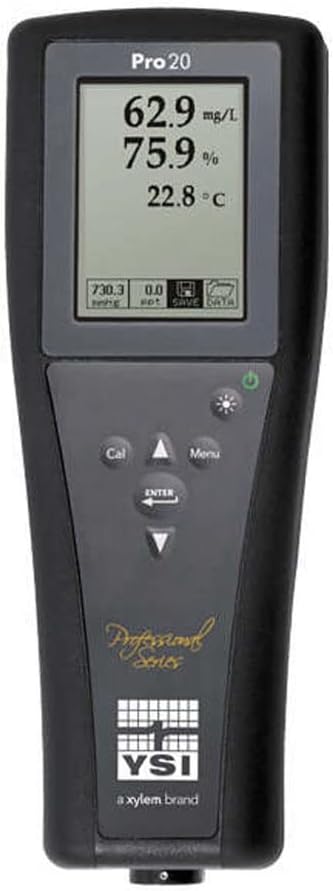
4.4Editor score

4.8Editor score
The following table provides a side-by-side comparison of all ten products reviewed in this guide. Use this overview to quickly identify key specifications and features that matter most to your specific application requirements.


The YSI 6050020 Pro20 Handheld Dissolved Oxygen Meter is a robust choice for professionals who need reliable field measurements. It holds a strong rating and stands out for its user-friendly interface and quick calibration capabilities.
We may earn a commission when you buy through this link, at no additional cost to you.
Its standout feature is the One Touch Cal function which allows you to complete DO calibrations within just three seconds. This saves significant time during field work. The device also stores fifty data sets internally so you do not have to write things down manually. The graphic backlit display ensures you can read values clearly even in low light conditions.
While it is a premium option, the cost reflects the build quality and features. Some users might find the price higher than budget handheld meters. However, the efficiency gained from the fast calibration and data storage often offsets the initial investment for frequent users.
This meter is ideal for environmental researchers, water quality technicians, and aquaculture professionals who need accuracy and convenience. If you prioritize speed and reliable data logging in the field, this unit is highly recommended.
The One Touch Cal feature significantly reduces setup time allowing for more efficient field sampling sessions without compromising accuracy.
Storing fifty data sets internally eliminates the need for clipboards and manual logging which reduces human error in record keeping.
We may earn a commission when you buy through this link, at no additional cost to you.
The Dissolved Oxygen Meter with ATC is an excellent option for hobbyists and small scale operations looking for affordability. It provides a broader measurement range than many standard meters at a fraction of the cost.
We may earn a commission when you buy through this link, at no additional cost to you.
This device features an extended range of 0.0 to 40.0 mg/L which surpasses the typical 20 mg/L limit. This makes it versatile for various applications from aquariums to industrial uses. Automatic Temperature Compensation ensures precise results between 0 and 50 degrees Celsius. The kit includes electrode filling fluid and anaerobic water calibration powder for convenience.
The lack of a backlight is a notable limitation for night time field work. However, for general daytime use or indoor tanks this is a minor trade-off. The auto power off feature helps extend battery life which is a plus for portable use.
Buyers looking for a cost effective solution for home aquariums, ponds, or basic lab research will find this meter very suitable. It balances essential features with a budget friendly price tag effectively.
With a 40 mg/L range this meter handles higher oxygen concentrations that standard 20 mg/L devices might miss or cap out at.
The inclusion of calibration powder and filling fluid means you can start testing immediately without buying extra supplies separately.
We may earn a commission when you buy through this link, at no additional cost to you.
The Apera Instruments AI480 DO850 Optical Dissolved Oxygen Meter Kit is a top tier choice for professionals needing durable and low maintenance solutions. It boasts an impressive 4.8 rating due to its reliability and ease of use.
We may earn a commission when you buy through this link, at no additional cost to you.
This kit utilizes state-of-the-art optical DO technology which means there is no need for solution refills or frequent membrane changes. This significantly reduces maintenance time. The IP67 waterproof and dust-proof structure makes it ideal for harsh environments. The kit comes with a ten foot optical probe allowing you to measure in deep or hard to reach areas safely.
The primary downside is the cost which is substantially higher than basic units. However, for industrial or scientific applications where accuracy and durability are paramount this is a justifiable expense. The auto calibration feature ensures consistent results without complex manual steps.
This kit is perfect for laboratories, water treatment plants, and serious researchers. If you want a sensor that minimizes maintenance and maximizes reliability the Apera AI480 is a standout premium option.
The optical sensor technology eliminates the need to change membranes or refill solutions which saves time and reduces consumable costs.
The IP67 rating ensures the device can withstand dust and water immersion making it suitable for rugged outdoor or industrial conditions.
We may earn a commission when you buy through this link, at no additional cost to you.
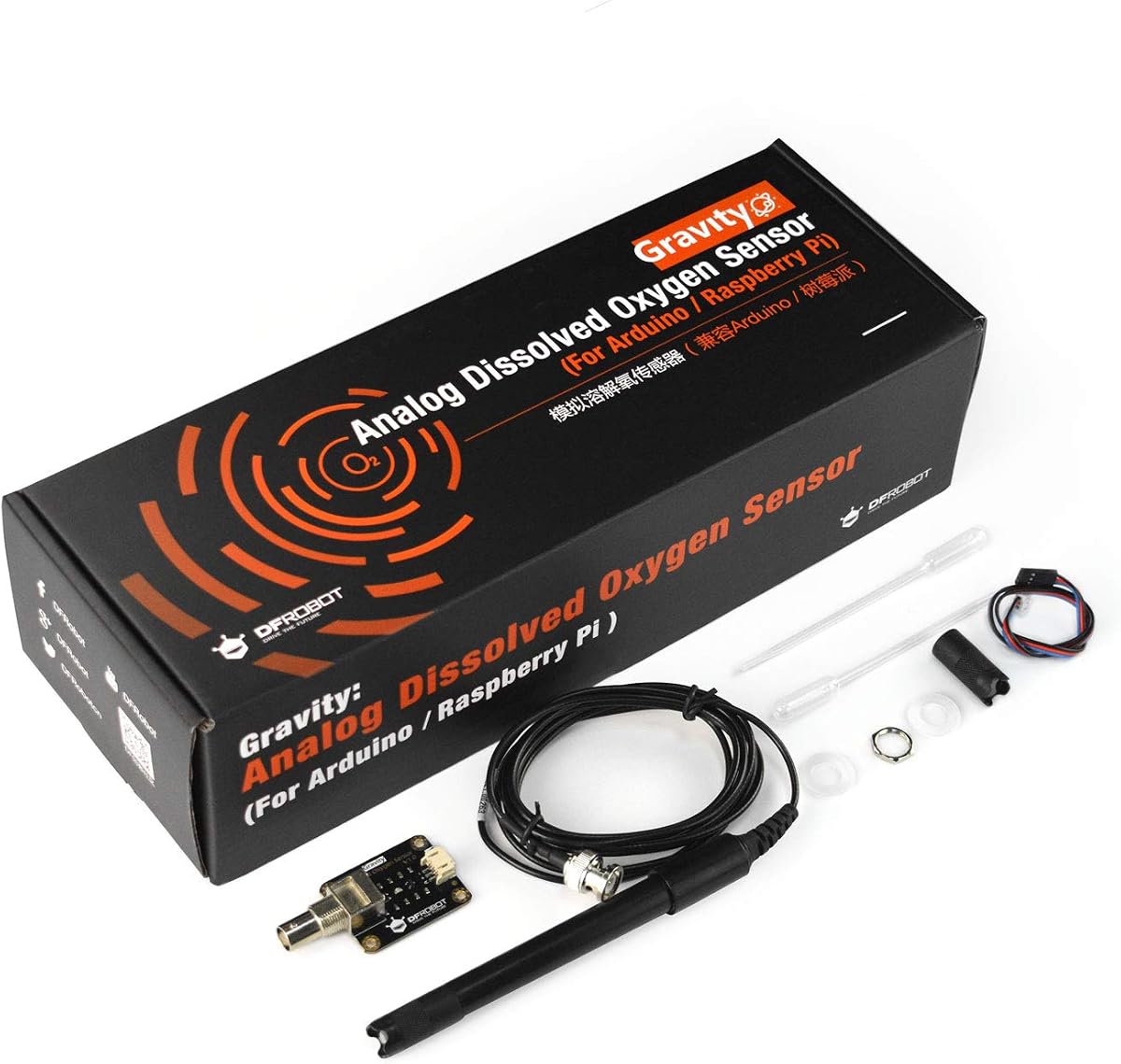
The Gravity Analog Dissolved Oxygen Sensor Kit is designed for makers and developers integrating water quality monitoring into IoT projects. It features a galvanic probe that requires no polarization for instant readiness.
We may earn a commission when you buy through this link, at no additional cost to you.
This kit stands out because it can be used anytime without pre-heating. It supports a wide voltage range and uses the Gravity 3-pin interface which simplifies connections to microcontrollers like Arduino or ESP32. The signal converter board includes hardware filtering to provide stable analog voltage. Documentation and open-source code support single or two-point calibration for high precision.
A notable consideration is that the filling solution is not included due to shipping restrictions. You will need to purchase NaOH locally. Additionally Raspberry Pi users will need an external ADC module since the Pi does not have a built-in ADC.
If you are building a smart aquarium or aquaculture monitoring system this sensor is ideal. It offers the right balance of functionality and integration ease for electronics hobbyists and engineering students.
The galvanic probe eliminates wait times allowing you to start measurements immediately which is useful for intermittent power setups.
Open source code and hardware filtering reduce the coding load letting you focus on your project logic rather than signal processing.
We may earn a commission when you buy through this link, at no additional cost to you.
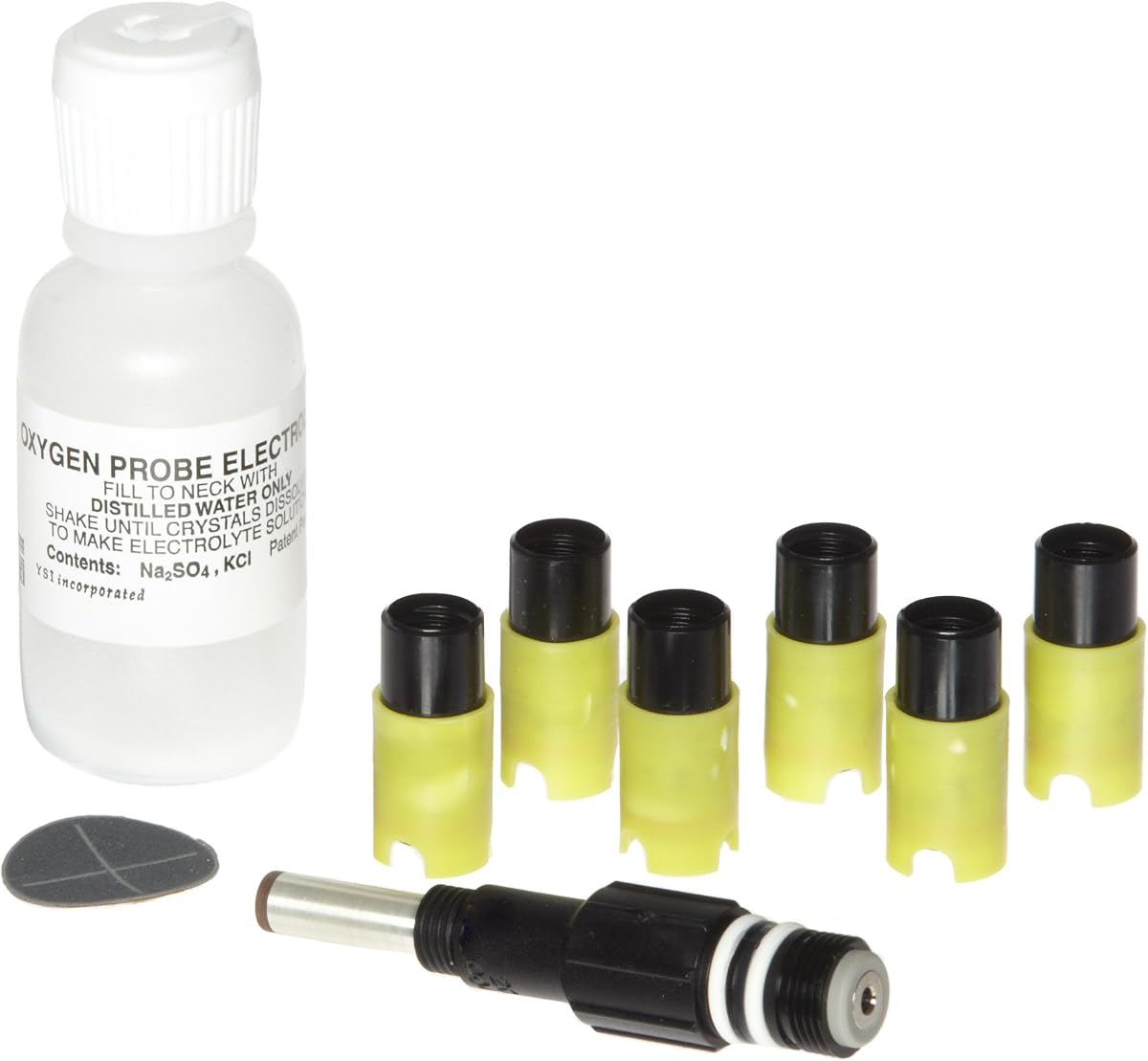
The YSI 605202 Pro Series Galvanic Dissolved Oxygen Sensor is a high quality replacement sensor for existing YSI meters. It is highly rated for its ease of use and included consumables.
We may earn a commission when you buy through this link, at no additional cost to you.
One of its main benefits is that it allows for quick sensor replacements without needing any tools. The screw on cap membranes make changing the membrane simple and fast. The package comes with six membrane caps and a bottle of solution so you are ready to work right away. This convenience saves time and ensures you have spares on hand.
Keep in mind this is a sensor unit and not a standalone meter. You must have a compatible YSI handheld or multi-probe meter to use it. If your current probe is failing or needs a refresh this is a direct upgrade path.
Maintenance technicians and aquaculture operators who rely on YSI systems will appreciate this sensor. It offers a reliable performance with minimal downtime thanks to its user-friendly design.
Screw on caps allow you to change membranes quickly without specialized tools which keeps your equipment operational with minimal interruption.
Receiving membrane caps and solution in the box means you are stocked up for future maintenance without extra orders.
We may earn a commission when you buy through this link, at no additional cost to you.
The YSI 6900 ProDSS ODO Optical Dissolved Oxygen Sensor is a specialized sensor for use with the YSI ProDSS platform. It represents a modern approach to dissolved oxygen monitoring.
We may earn a commission when you buy through this link, at no additional cost to you.
This sensor uses optical technology which provides high accuracy without the need for electrolytes or membranes that require regular replacement. It is designed to work with the YSI 626900 ProDSS system for professional applications. The construction is rugged enough for field use and ensures long term reliability.
You must own a compatible ProDSS meter to use this sensor. It is not a standalone device. If your system supports optical sensors this is an excellent upgrade to improve measurement consistency and reduce maintenance.
This sensor is best for labs and environmental monitoring teams already invested in the YSI ecosystem. It brings optical benefits like lower maintenance to your existing handheld or multi-parameter setup.
Optical sensors measure luminescence quenching which provides stable readings without the drift common in older polarographic sensors.
Designed for the ProDSS platform it integrates seamlessly with other YSI sensors for comprehensive water quality analysis.
We may earn a commission when you buy through this link, at no additional cost to you.
The Dissolved Oxygen Meter for Pond is a practical tool designed for aquaculture and hydroponic systems. It focuses on essential features needed to maintain healthy oxygen levels in water gardens and nutrient solutions.
We may earn a commission when you buy through this link, at no additional cost to you.
This meter comes with a 3.6 foot cable which allows you to take readings deep into ponds or tanks. The backlit display is a key advantage over basic models allowing you to read results in dim conditions. It uses a simple two point calibration method (0% and 100%) to ensure accuracy. It includes necessary solutions and membranes for maintenance.
While it has a slightly lower rating than premium options it serves well for home pond owners. The auto shutoff feature helps preserve battery life between uses. For users monitoring goldfish or koi ponds this provides the necessary data to keep aquatic life healthy.
If you manage a backyard pond or a hydroponic setup on a budget this meter offers a good balance of features and price. It is straightforward to use and covers the basics effectively.
The included cable length makes it easy to reach water surfaces in deep ponds without needing extension wires.
Two point calibration is user friendly and ensures the device stays accurate without requiring complex setup steps.
We may earn a commission when you buy through this link, at no additional cost to you.
This Dissolved Oxygen Tester stands out because of its extended 11.48 foot cable which is much longer than most standard units. It is a robust choice for large tanks or outdoor ponds where distance matters.
We may earn a commission when you buy through this link, at no additional cost to you.
It supports comprehensive testing by measuring dissolved oxygen, temperature, salinity, and barometric pressure. The large LCD display shows all key values clearly. The 99 data memory allows you to log results for later review without writing them down. The IRDA port enables data transfer to a computer if you need to keep records.
The multi-parameter functionality can be slightly overwhelming for casual users but it adds significant value for serious aquarists. You should be prepared to learn the menu system to access all features.
If you need to test at depth or track salinity and temperature alongside oxygen this is an excellent choice. It is ideal for large aquarium setups or environmental monitoring tasks that require detailed logs.
The 11.48 foot cable allows you to measure deep water levels safely without bending or stretching.
Storing ninety nine points and transferring data via IRDA helps you track trends over time accurately.
We may earn a commission when you buy through this link, at no additional cost to you.
The Milwaukee MW600 LED Economy Portable Dissolved Oxygen Meter is designed for educational and routine water analysis. It is a sturdy device that teaches proper calibration techniques.
We may earn a commission when you buy through this link, at no additional cost to you.
It features two point manual calibration which is great for teaching students how the sensor works. The automatic temperature compensation ensures accurate readings between 0 and 30 degrees Celsius. The 3m probe cable provides flexibility for various testing locations. It includes a polarographic probe with screw on cap membranes for easy maintenance.
Manual calibration requires more time than push button options. However this helps users understand the process and ensure quality results. It is a great balance of cost and performance for classroom or light field use.
If you run a lab class or need a simple portable meter for checking pond water this unit fits well. It is easy to handle and provides reliable results when used correctly.
Manual calibration helps users learn how sensors work which is valuable in classroom environments.
The three meter cable allows you to probe deep areas safely while keeping the meter dry.
We may earn a commission when you buy through this link, at no additional cost to you.
The YSI 605203 Pro Series Polarographic Dissolved Oxygen Sensor is a classic polarographic probe designed for use with YSI meters. It is rated well for its consistent performance in controlled environments.
We may earn a commission when you buy through this link, at no additional cost to you.
This sensor is categorized as a lab supply and works seamlessly with YSI multi-probe systems. It is lightweight and easy to handle. While it may require more maintenance than optical sensors it offers trusted accuracy for routine lab checks. The packaging is compact and safe for transport.
Like other replacement sensors it requires a compatible meter. If you are using a YSI handheld this is a standard upgrade choice. Polarographic sensors are well understood and parts are readily available.
This sensor is best for labs and facilities that prefer proven polarographic technology. It is a solid choice for replacing older probes to restore measurement accuracy.
Polarographic sensors have been the industry standard for years and are widely trusted in lab settings.
Its lightweight design reduces fatigue during frequent measurements and makes storage simple.
We may earn a commission when you buy through this link, at no additional cost to you.
Selecting the right dissolved oxygen sensor depends on your specific application and environment. This guide breaks down the key factors you should consider before making a purchase.
The most important choice is between polarographic, galvanic, and optical sensors. Galvanic sensors require no polarization and are good for quick checks. Polarographic sensors are robust and often used in labs. Optical sensors require minimal maintenance but cost more.
Choose the technology that matches your maintenance tolerance and usage frequency.
Standard meters usually cover 0 to 20 mg/L but some extend to 40 mg/L. If your work involves high oxygen levels look for a broader range. Accuracy is vital for research but hobbyists may tolerate slight variances.
Ensure the sensor covers your expected range to avoid inaccurate readings during critical tests.
Some sensors support one-touch calibration which saves time. Others require manual two-point steps. Consider how often you will calibrate and whether speed is a priority for your workflow.
Pick a sensor with calibration methods that fit your schedule to maintain accuracy without hassle.
If you work outdoors or in wet environments look for high IP ratings like IP67. This ensures the device survives splashes or submersion. Also consider the build quality of the casing and probe.
A durable housing extends the life of your device especially in field conditions.
Temperature affects dissolved oxygen levels significantly. Ensure your meter has Automatic Temperature Compensation (ATC) to correct readings in real time. This prevents errors when water temperature fluctuates.
Always choose a model with ATC to guarantee reliable results in varying water temperatures.
Professional models may store data internally or support Bluetooth and USB transfer. If you need to track trends or share data look for these features. Basic units may require manual note-taking.
Consider whether you need digital storage to avoid manual entry and potential data loss.
Sensors require periodic maintenance like membrane changes or electrolyte refills. Optical sensors reduce this burden but cost more. Review the included accessories and consumable availability before buying.
Calculate long term maintenance costs to avoid unexpected expenses for replacements.
Check if the sensor matches your existing handheld meter or IoT setup. For DIY projects ensure the output voltage and interface are compatible with your microcontroller. Verify cable lengths match your tank depth.
Confirm all compatibility details to ensure the sensor works seamlessly with your system.
To start using your sensor properly prepare the electrolyte solution and membrane if required by the model. Install the membrane cap securely to avoid leaks. Ensure the probe is clean before first use.
Calibrate the device using zero oxygen water and saturated air. Follow the manufacturer's instructions for timing and steps. Regular calibration ensures accuracy and prevents drift in your readings over time.
Store the probe in a moist environment when not in use to prevent the membrane from drying out. Rinse the probe with clean water after each test. Schedule regular membrane changes and electrolyte refills to maintain performance.
Most fish require at least 5 mg/L of dissolved oxygen to thrive. Levels below 3 mg/L can cause stress and health issues. In aquaculture target 6 to 8 mg/L for optimal growth and health of your stock.
Calibrate your sensor before each day of use for best accuracy. If you use it frequently calibrate once a week. Always calibrate if you change membranes or move to a new environment to ensure readings remain reliable.
Low readings may be caused by a dirty membrane low electrolyte levels or lack of calibration. Check if the membrane is intact and clean. Verify the electrolyte solution is fresh. Re-calibrate the device to rule out setup errors.
Yes many DO sensors work in salt water but you must compensate for salinity during calibration. Use a meter with salinity adjustment settings. Ensure your probe is designed to withstand salt water corrosion for long term use.
Optical sensors do not require membrane changes or electrolyte refills like traditional probes. They use a sensing cap that lasts for years. You may need to replace the cap periodically based on usage.
Most meters operate from 0 to 50 degrees Celsius. Always check the specific model's manual for limits. If you work in freezing conditions ensure the device is rated for low temperatures.
We reviewed ten dissolved oxygen sensors ranging from budget kits to premium optical meters. The YSI 6050020 Pro20 stands out for speed while the Apera AI480 leads in durability and low maintenance.
Prioritize accuracy and maintenance needs based on your specific use case. Hobbyists can save money with basic units but professionals should invest in reliable sensors to avoid errors.
Prices and availability are subject to change. Always check the latest details on the product pages before buying to ensure you get the right model for your needs.