
Audio Effects Processor
5.0Editor score
24 Bit Digital Signal Processing
199 Preset Effects Modes
Dual Channel Parallel Processing
This guide compares the top hardware reverb units for 2026 to help you find the best digital analog and pedal options for your audio setup.
Hardware reverb units provide essential spatial effects that transform dry audio into immersive soundscapes. Musicians and producers rely on these devices to add depth and dimension to vocals instruments and mixes during live performances or studio recordings.
We evaluated ten standout products based on sound quality, feature sets, build durability, and user feedback. Each unit offers unique strengths ranging from analog warmth to digital precision. Our analysis ensures you find the right tool for your specific musical needs and budget.
Every recommendation includes detailed insights into performance and connectivity. Prices and availability change frequently so always verify current listings before purchasing. These picks represent the best options available today for enhancing your audio production workflow with professional grade reverb effects.
5.0Editor score

4.8Editor score

4.9Editor score
This side-by-side comparison highlights key specifications and features across all ten selected units to help you make an informed decision based on your specific audio requirements and preferences.
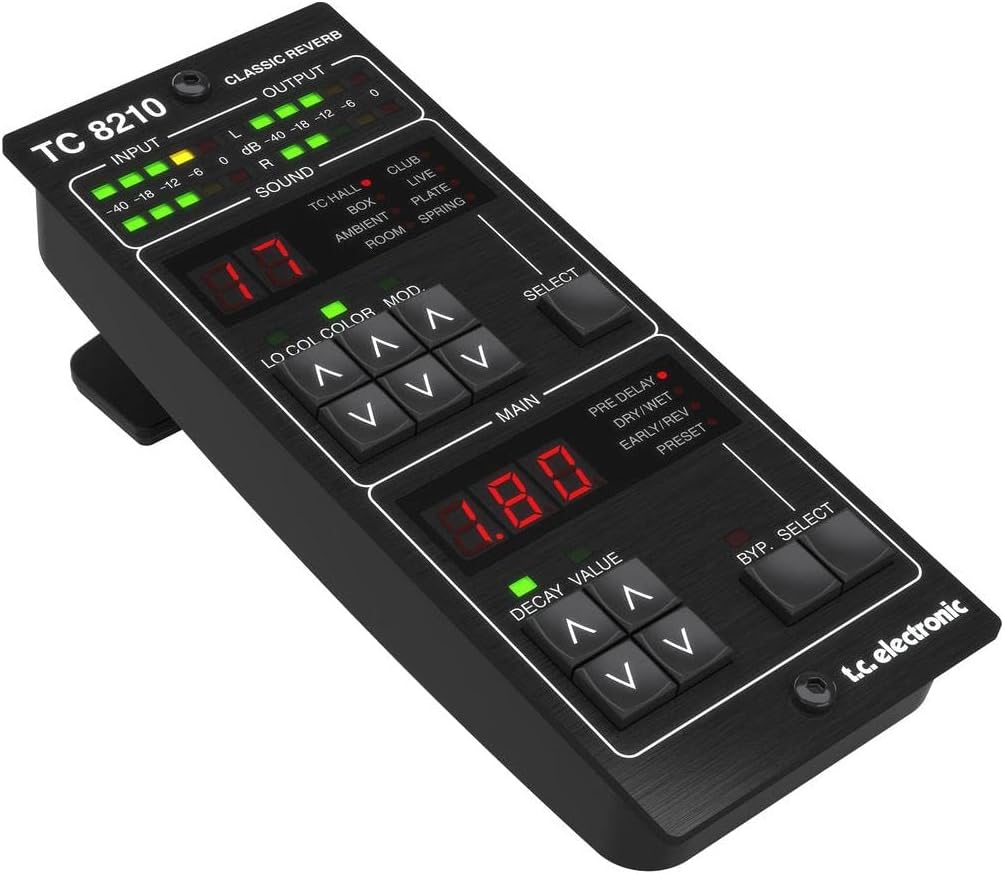


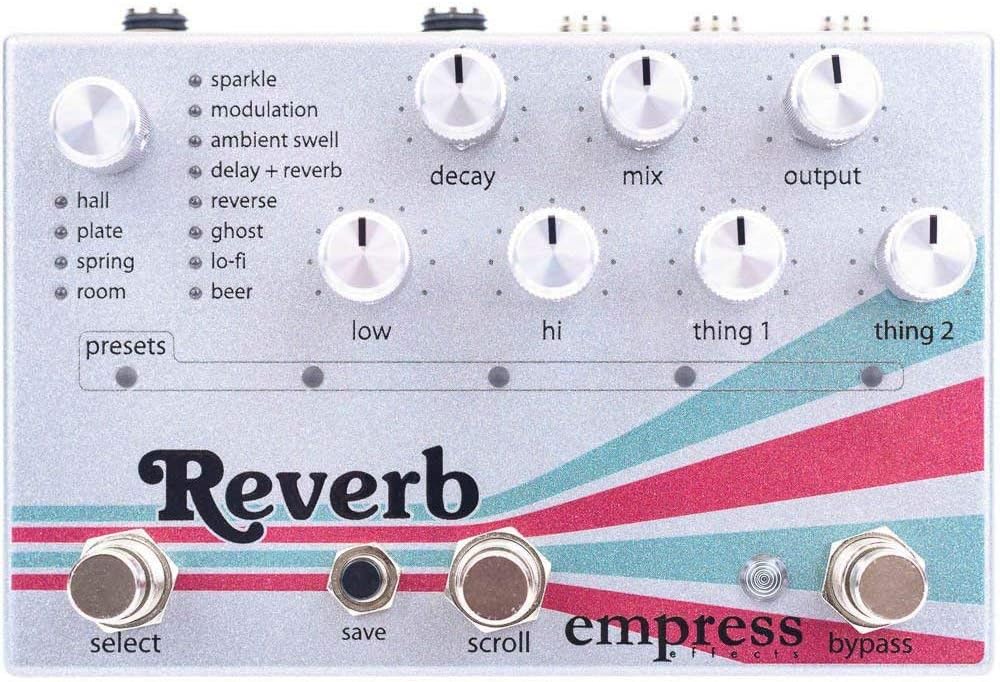


This unit combines the classic TC sound with modern control. It offers a high rating for its ability to bring studio quality reverb to your workspace. The desktop interface makes adjustments quick and intuitive during mixing sessions.
We may earn a commission when you buy through this link, at no additional cost to you.
Its huge variety of reverb options suits diverse musical needs from vocals to drums. The included signature presets from favorite artists provide instant access to professional tones. Sound quality remains clear without coloring the original source material.
While the hardware controller is optional it enhances the workflow significantly. Without it you rely on software which may slow down tactile adjustments. This trade-off allows flexibility for those who prefer mouse control over physical knobs.
Ideal for producers seeking authentic TC tones with modern flexibility. It stands out for its balance of classic character and contemporary control. This makes it a top choice for mixing engineers needing reliable spatial effects.
Bringing together vintage sound and modern interface for optimal workflow.
Instant access to professional artist presets saves setup time.
We may earn a commission when you buy through this link, at no additional cost to you.
This module delivers authentic analog spring reverb for Eurorack systems. It provides a raw and organic texture that digital plugins often struggle to replicate. The price point makes it accessible for modular enthusiasts on a budget.
We may earn a commission when you buy through this link, at no additional cost to you.
Features include dual spring reverb for rich tonal depth. Multiple inputs allow integration with various audio sources within your rack. The inclusion of mute footswitches offers practical control during live performances.
It is limited to spring styles which may not suit all genres. Users wanting plate or hall sounds must look elsewhere or use multiple modules. This specificity keeps costs low but reduces versatility for general use.
Best for modular builders seeking classic analog warmth. It fills a niche for those prioritizing authentic spring texture over digital flexibility. A solid choice for adding character to synthesizers and drum machines.
Designed for seamless integration into standard 72HP Eurorack cases.
Dual spring tanks provide genuine mechanical reverberation effects.
We may earn a commission when you buy through this link, at no additional cost to you.
This rackmount unit offers high precision 24-bit processing for clear sound reproduction. It includes 199 presets covering reverb delay and more. Its 5.0 rating reflects strong performance for live and studio use.
We may earn a commission when you buy through this link, at no additional cost to you.
Dual channel parallel processing allows flexible audio routing options. You can apply different effects to separate sources simultaneously. The sturdy metal chassis withstands rigors of touring and frequent studio use.
Controls are dedicated but menu navigation may require learning. Users need time to fine tune specific parameters like decay and depth. This complexity is acceptable given the high quality output and versatility.
Ideal for venues or studios needing a reliable multi-effect solution. It balances cost and performance exceptionally well. This makes it a top recommendation for professionals seeking budget friendly hardware reverb.
Delivers detailed sound reproduction with minimal noise during recording.
Dual channel design enables complex effect setups for live use.
We may earn a commission when you buy through this link, at no additional cost to you.
This pedal offers seven modes including room hall and spring options. It features true bypass design for transparent tone when off. The mini size fits easily on crowded pedalboards without sacrificing sound.
We may earn a commission when you buy through this link, at no additional cost to you.
Digital circuit design ensures stable performance across various conditions. The aluminum alloy body is strong enough to withstand stage use. LED indicators clearly show the working state for quick visual checks.
Power supply is not included which adds to initial costs. Knob adjustments are simple but lack deep parameter tweaking. This simplicity benefits beginners but may limit advanced users needing control.
Best for guitarists needing reliable reverb without taking up space. It delivers classic tones in a compact form. A great addition for practice or live performance setups needing simplicity.
Ensures signal remains unaltered when effect is disengaged.
Seven modes cover standard and creative reverb textures.
We may earn a commission when you buy through this link, at no additional cost to you.
This unit provides 24 studio quality algorithms for diverse textures. It is praised for pristine classic sounds and ambient options. Users appreciate how easy it is to dial in desired effects quickly.
We may earn a commission when you buy through this link, at no additional cost to you.
Tap functions allow quick tempo syncing for rhythmic applications. The interface supports fast selection of presets during performances. Quality remains high even at maximum decay or complexity settings.
High cost may be prohibitive for some musicians. The depth of features requires time to master effectively. However these trade-offs are acceptable for users seeking top tier digital reverb.
Ideal for professional players wanting extensive algorithmic variety. It stands out for balance of power and usability. This makes it a strong contender for high end pedal collections.
24 distinct studio algorithms deliver accurate reverberation models.
Tap functions enable rhythmic effects synchronized to song tempo.
We may earn a commission when you buy through this link, at no additional cost to you.
This pedal is known for multidimensional reverb and stereo width. It offers deep control over parameters for creative sound design. The high rating reflects consistent performance and reliability in professional settings.
We may earn a commission when you buy through this link, at no additional cost to you.
Stereo inputs and outputs support wide immersive audio fields. Build quality is robust to withstand touring demands. Controls allow detailed shaping of decay diffusion and modulation parameters.
Large footprint may consume significant pedalboard space. Menu navigation can be complex for new users. However the sonic depth justifies these practical considerations for most buyers.
Best for guitarists seeking expansive and immersive effects. It delivers professional grade tone and flexibility. This makes it a staple for serious musicians needing top tier reverb.
Supports unique algorithmic variations beyond standard reverb types.
Large but sturdy design fits professional stage setups.
We may earn a commission when you buy through this link, at no additional cost to you.
This pedal features a digital stereo reverb engine with shimmer controls. It holds a high rating of 4.9 for sound quality. Users praise its ability to produce immersive atmospheric textures.
We may earn a commission when you buy through this link, at no additional cost to you.
Shimmer controls add harmonic layers for expansive soundscapes. Pre-delay and decay adjustments allow fine tuning of effect timing. High and low filters help shape the tone to suit instruments.
Algorithm variety is less than larger multi-effect units. The price remains significant compared to budget alternatives. However the specific focus on reverb ensures excellent execution of those tones.
Ideal for players prioritizing atmospheric reverb over other effects. It balances size and sonic depth effectively. This makes it a top choice for pedalboards focused on ambient textures.
Adds harmonic octaves for lush ethereal ambient textures.
High and low filters sculpt reverb tone to match source.
We may earn a commission when you buy through this link, at no additional cost to you.
This unit features rebuilt programs for vast tonal improvement. The ducking and swelling features allow dynamic effects on audio. With 128 presets users have extensive storage for custom sounds.
We may earn a commission when you buy through this link, at no additional cost to you.
Feedback EQ control refines how the tail interacts with other frequencies. Menu navigation allows adjustments for secondary controls easily. The design ensures high fidelity reproduction of chosen reverb types.
Setup can be complex due to feature depth. The cost is high compared to simpler reverb pedals. Still the functionality justifies this for advanced sound designers.
Best for musicians needing deep customization and control. It stands out for unique ducking features and preset capacity. This makes it ideal for complex live or studio setups.
Auto ducking feature manages effect levels dynamically during performance.
128 onboard presets allow saving custom tone combinations.
We may earn a commission when you buy through this link, at no additional cost to you.
This unit provides authentic emulation of classic mid-70s ambience. It includes full modeling of multi-head tape delay and spring reverb. Users value the exact capture of original hardware preamp sections.
We may earn a commission when you buy through this link, at no additional cost to you.
Silent switching and buffered bypass ensure signal integrity. USB-C allows updates via computer for ongoing improvements. Doubled delay times offer extended effects beyond original hardware limits.
Requires isolated power supply sold separately. High cost may limit accessibility for some users. However the modeling fidelity justifies the investment for collectors.
Ideal for audiophiles seeking vintage analog character. It delivers definitive capture of classic gear. This makes it perfect for recreating retro tones in modern systems.
Authentic capture of 70s analog hardware sound and mechanics.
USB-C ensures software stays current with latest improvements.
We may earn a commission when you buy through this link, at no additional cost to you.
This unit is made in Kansas City USA with a high rating. It offers a versatile range from small room to endless wash. The EQ lets you adjust texture for bright or dark tones.
We may earn a commission when you buy through this link, at no additional cost to you.
Pre-delay knob enables effects from slap-like to spacey sounds. It runs on standard 9V power with low consumption. Build quality aligns with the brand reputation for reliability.
Only offers reverb which limits multi-effect needs. Power adapter must be purchased separately. However these are minor issues given the focused sound quality.
Ideal for guitarists needing reliable US made reverb. It balances tone and flexibility well. This makes it a top pick for those valuing quality and origin.
EQ adjusts reverb texture to match instrument or room.
Knob lets you choose from slap to spacey effect types.
We may earn a commission when you buy through this link, at no additional cost to you.
Selecting the right hardware reverb unit requires understanding your specific audio needs budget and environment. This guide explains the key factors to consider before making a purchase.
Hardware units typically use analog spring digital algorithmic or hybrid technology. Analog spring units offer authentic warm tones but are limited in variety. Digital units provide wider presets and greater flexibility for different styles.
Choose analog for vintage warmth and digital for versatility. Hybrid units offer a balance if budget allows.
Consider whether you need a rackmount unit pedal module or desktop interface. Rackmount units suit studio setups while pedals fit guitar boards. Modules require Eurorack cases and are specific to modular systems.
Match the form factor to your existing setup. Pedals are portable while rack units provide more stability.
Look for units with high bit depth and sample rates like 24-bit processing. Higher resolution ensures detailed sound reproduction and minimal noise during recording. Check input output types to ensure compatibility with your gear.
Prioritize 24-bit units for professional studio applications. Lower specs may suffice for casual use.
Physical knobs and buttons allow for faster adjustments during live performance. Menu driven systems offer more depth but slower access. Evaluate if you need presets MIDI control or external switching options.
Opt for hardware controls if speed is essential. Use menus if you need deep customization.
Check if the unit needs a specific power supply or if it runs on standard batteries. Some units require center-negative 9V DC while others use internal power. Ensure your existing supply matches the requirements.
Confirm power details before buying to avoid extra costs. Standard power is more convenient.
Touring units must withstand frequent transport and stage conditions. Metal chassis and robust switches indicate longevity. Home studio units may prioritize aesthetics over ruggedness but still need quality construction.
Select rugged designs for live use and solid materials for studio gear. Avoid plastic casings if moving the unit often.
Ensure the unit has enough inputs and outputs for your signal chain. Stereo capability is important for width and depth. MIDI or USB ports allow integration with other digital gear or computers.
Verify stereo inputs outputs for immersive sound. Add MIDI if you plan to automate effects via DAW.
Prices vary significantly from budget pedals to high end processors. Determine how much you can spend and what features are essential. Higher cost often brings better build and more advanced algorithms.
Balance cost with intended use. Budget options work for entry level but invest for professional needs.
Always read the manual to understand signal flow and power requirements. Connect inputs and outputs correctly to prevent damage and ensure optimal sound. Use shielded cables to reduce interference during live or studio sessions.
Adjust the mix and decay parameters to suit your instrument and room size. Too much reverb can muddy a mix so start subtle. Use pre-delay to keep the dry signal clear while adding space.
Store units in dry environments and avoid extreme temperatures. Dust and humidity can damage internal electronics. Turn off power before connecting or disconnecting cables to protect ports and internal components.
Analog units use springs or physical tanks to create sound while digital units use algorithms. Analog is warmer but limited in variety. Digital offers more presets and flexibility but may lack organic character. Choose based on whether you prioritize tone or options.
Yes but you may need adapters or patch bays to connect. Some pedals have dedicated inputs for rack integration. However rack units usually offer better compatibility and deeper routing options for complex setups.
Not all units require MIDI but it helps for preset switching. Many modern units support MIDI to automate effects. If you need hands-free operation check for MIDI compatibility before purchasing.
Use the manufacturer recommended isolated power supply to avoid noise. Some units support center-negative 9V DC. Always check specs for current draw to prevent under power issues.
Yes they offer tactile control and reliability without computer dependency. While plugins are cheap hardware adds unique analog warmth. For live performance hardware provides consistent performance without software crashes.
Use balanced cables where possible and keep units away from power sources. Ensure proper grounding and avoid daisy chaining supplies. Some units have dedicated noise gates to help clean signals.
The ten units reviewed offer diverse options for every type of musician or producer. From budget friendly processors to high end pedals there is a model for every setup.
Prioritize sound quality and connectivity based on your specific needs. Ensure the unit fits your existing workflow and budget constraints.
Prices change frequently so verify current listings before making a final decision. This guide helps you navigate the market with confidence and clarity.