
Handheld Fish Finder Portable
4.2Editor score
Portable design with neck strap
200 kHz sonar frequency
Suitable for fresh and salt water
Finding the right tool to locate fish and measure water depth is essential for any angler. Affordable options now offer impressive capabilities that were once reserved for high-end systems.
We compared ten highly rated models based on user feedback, features, and performance. Each device provides unique benefits for different fishing styles and vessel types.
Each pick highlights key strengths and limitations to help you decide. Keep in mind that availability and shipping options may vary by region and season.
4.2Editor score
4.6Editor score

4.5Editor score
As an Amazon Associate we earn from qualifying purchases.
The following table provides a side-by-side overview of each model. Review the specifications to understand how each unit performs in various environments.


This unit stands out as a top contender for anglers seeking reliable data without high costs. It combines essential sonar features with GPS functionality in a compact design suitable for many boat types.
We may earn a commission when you buy through this link, at no additional cost to you.
The CHIRP Sonar delivers clear fish arches and better target separation. Users appreciate the Clear Vu scanning for detailed underwater views. The waypoint map helps navigate to promising spots efficiently.
While the display is not the largest available, it remains readable in various conditions. Some users may find the memory limitations restrictive for extensive mapping needs over long trips.
This device is ideal for those who want a complete package at a reasonable price point. It offers a balance of performance and durability that meets the needs of most recreational fishermen.
CHIRP technology sweeps frequencies to create crisper images of structures and fish.
Mark and return to favorite fishing locations using the built-in waypoint map.
We may earn a commission when you buy through this link, at no additional cost to you.
This device offers an entry-level solution for anglers needing basic depth and fish location data. Its portable nature makes it a favorite for kayak and shore fishing enthusiasts.
We may earn a commission when you buy through this link, at no additional cost to you.
The unit uses sonar to detect depths and fish. It runs on common AAA batteries and provides hours of continuous use. The neck strap ensures it stays secure during active fishing sessions.
Users should note that while functional, it lacks advanced mapping or large screens. Battery dependency means carrying spares is wise for long outings in remote areas.
If you need a simple tool without complex wiring, this is an excellent choice. It delivers core functionality at a price that makes underwater imaging accessible to everyone.
The compact design allows easy transport to any fishing spot including remote shores.
Toss the transducer in water and read depth and fish data instantly on screen.
We may earn a commission when you buy through this link, at no additional cost to you.
This model combines wireless freedom with essential depth reading features. It allows users to cast a sensor away from shore or kayak for better coverage of fishing areas.
We may earn a commission when you buy through this link, at no additional cost to you.
The display shows depth and fish icons clearly even in low light. Sensitivity adjustments help filter noise in murky water. The battery save mode extends runtime during long fishing days.
Some users report needing practice to master the wireless casting effectively. Battery performance depends on usage patterns so keeping a charger nearby is recommended for serious anglers.
For those wanting modern convenience without the cost of big boat systems, this fits well. It bridges the gap between simple hand held devices and complex mounted units.
Cast the sensor to distant water to check depth and fish presence safely.
Adjust sensitivity to reduce clutter and target fish in different water conditions.
We may earn a commission when you buy through this link, at no additional cost to you.
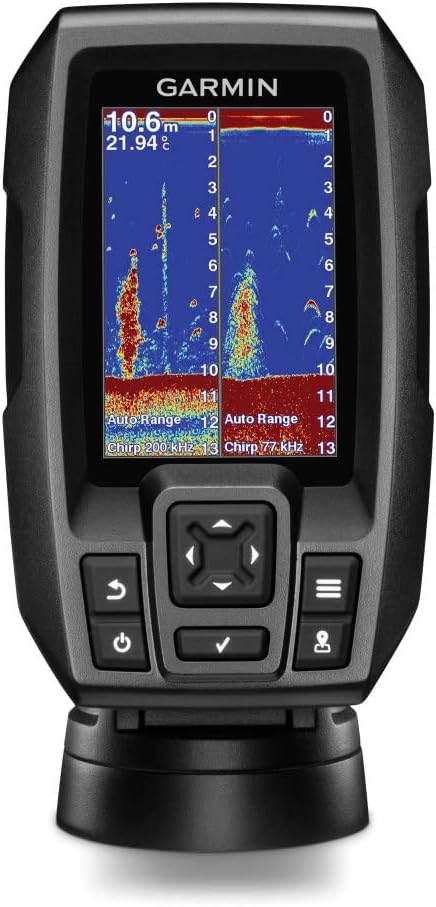
This unit brings trusted sonar technology to small boat owners at a competitive price. It uses dual beam technology to provide both detailed and wide area coverage options.
We may earn a commission when you buy through this link, at no additional cost to you.
The mount allows tilting and swiveling for optimal viewing comfort while underway. Users value the simplicity of operation when they only need depth and fish location data.
Without GPS or advanced mapping, it serves best for local waters. The basic screen may lack brightness adjustment for midday sun but performs adequately in most conditions.
Choose this if you want a no fuss fish finder from a reputable maker. It focuses on core performance rather than extra features that drive up the cost.
Switch between narrow detail and wide coverage beams to suit your fishing needs.
Adjust the mount angle to reduce glare and improve readability on the water.
We may earn a commission when you buy through this link, at no additional cost to you.
This device prioritizes display quality and ease of use. The IPS screen maintains clarity under bright sunlight which helps when scanning the water for targets.
We may earn a commission when you buy through this link, at no additional cost to you.
Auto-Tuning Sonar removes the guess work from manual settings. You can focus on fishing rather than adjusting knobs. The portrait design fits well in tight dash spaces on small boats.
The added cost may be steep for casual anglers but the viewing experience is superior. Optional maps add functionality but require separate purchase for full navigation features.
If you struggle to read screens in glare, this model is worth the investment. It offers a modern user experience that simplifies the path to finding fish.
IPS screen ensures clear visibility even when wearing polarized sunglasses.
Optimized settings adapt automatically so you spend more time fishing.
We may earn a commission when you buy through this link, at no additional cost to you.
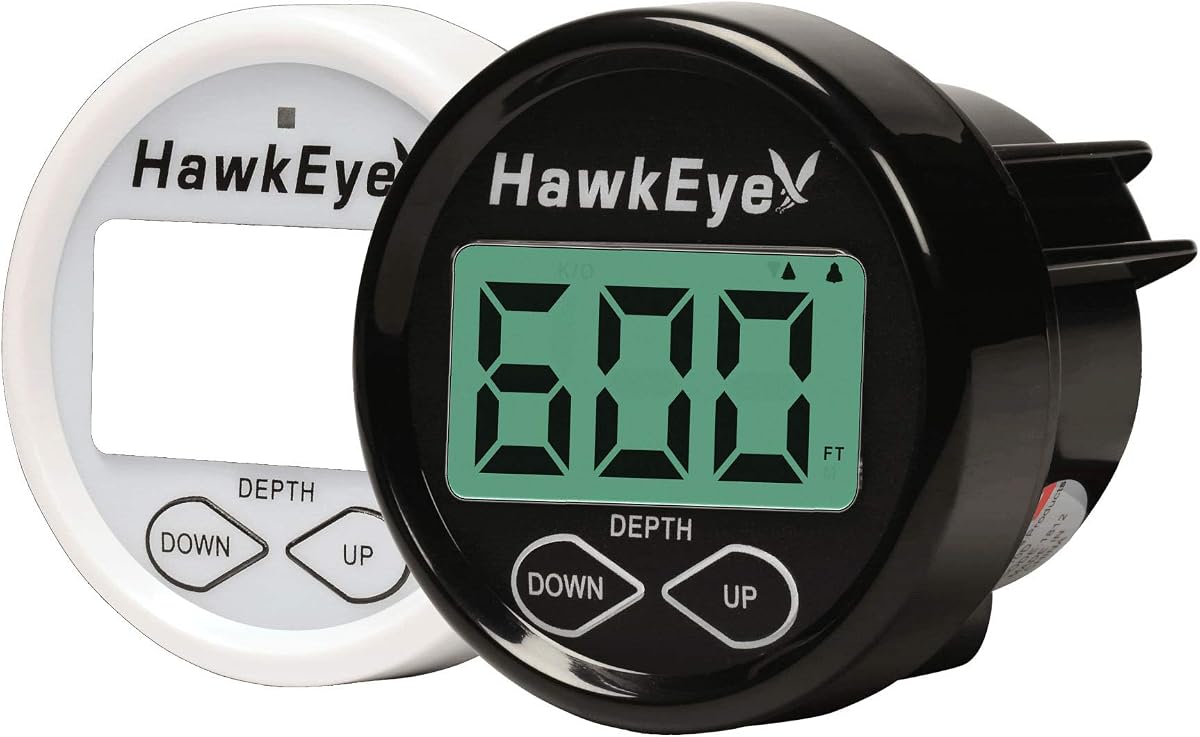
This model is built for boats needing a permanent integrated depth solution. It reads depths regardless of speed which helps when trolling or navigating at varying speeds.
We may earn a commission when you buy through this link, at no additional cost to you.
The display features large icons and a polarized view for clarity. Alarm systems warn when shallow water is detected to prevent grounding. Transducer options suit different hull materials.
Installation requires drilling or glue-in mounting which may deter some users. Once set up it provides reliable data for the life of the vessel without extra effort.
Ideal for boat owners who want a factory style gauge without the cost. It delivers precise data with a design that matches professional marine dash setups.
Get accurate readings at any speed without interference from hull movement.
Audible and visual alarms alert you to shallow hazards in real time.
We may earn a commission when you buy through this link, at no additional cost to you.
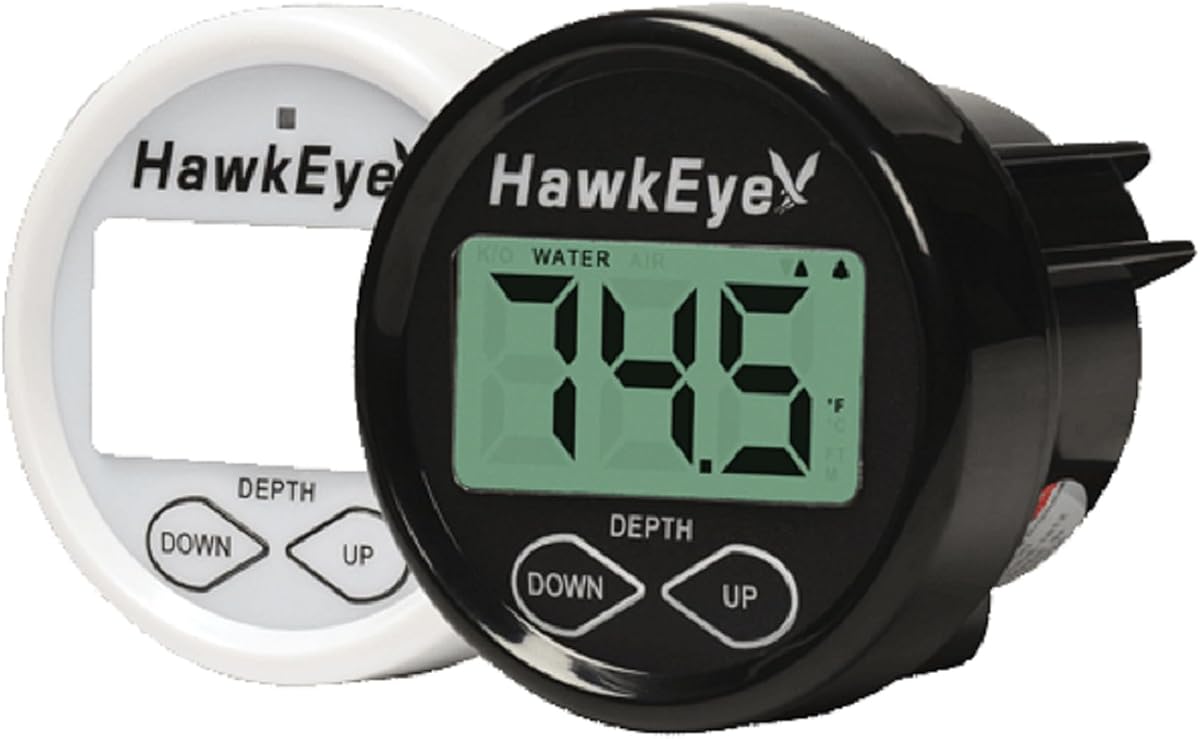
This device adds temperature tracking to standard depth readings. It helps anglers monitor conditions that affect fish behavior while navigating the waterways.
We may earn a commission when you buy through this link, at no additional cost to you.
The display includes a soft glow backlight for low light use. Transom transducer connects with thirty feet of cable for flexible installation. Warning signals alert you to shallow water.
It focuses on essential data without extra navigation tools. The temperature feature makes it useful for seasonal shifts where fish move based on thermal layers.
If you fish in areas where water temperature matters, this is a practical tool. It integrates smoothly into your boat's dash with minimal wiring needs.
Monitor water and air temperature to better predict fish activity patterns.
Flush mount display fits standard cutouts and connects easily to transom.
We may earn a commission when you buy through this link, at no additional cost to you.
This device is built to handle diverse fishing environments including ice. Its contour readout helps visualize bottom structure for more informed casting decisions.
We may earn a commission when you buy through this link, at no additional cost to you.
The unit is rugged and water resistant to withstand splashes. A built-in lamp attracts fish in clear water. It also displays temperature which aids in seasonal planning.
While the lamp works on some species it may not be a major benefit for all users. Depth range is standard but accuracy holds up across fresh and salt water.
For anglers who fish year-round across multiple conditions, this is a versatile pick. It balances portability with features that support different fishing styles.
Visualize bottom shape to identify drop-offs and holding areas quickly.
Take this unit from lake fishing to ice holes with equal reliability.
We may earn a commission when you buy through this link, at no additional cost to you.
This unit delivers essential data in a compact package. It is suitable for anglers needing quick checks without complex setup or permanent installation.
We may earn a commission when you buy through this link, at no additional cost to you.
The device reads depth and temperature efficiently. Its size allows it to fit in a pocket or small tackle box. Basic buttons make it straightforward to operate.
Depth range is restricted compared to larger models but suits shallow waters well. Users should check if thirty feet meets their typical fishing conditions before purchasing.
Best for casual outings or as a backup device on board. It offers value for those prioritizing simplicity and portability over advanced features.
Small size ensures you can carry it anywhere without weighing down gear.
Track temperature to understand how fish may react to conditions.
We may earn a commission when you buy through this link, at no additional cost to you.
This device is designed with kayak anglers in mind. Its strap keeps it secure on your neck while you manage gear on a small vessel.
We may earn a commission when you buy through this link, at no additional cost to you.
The unit switches between feet and meters easily. Alarms signal when fish pass so you can react immediately. Backlight ensures visibility at dawn or dusk.
Battery life may require frequent changes on long trips. The sonar is basic but sufficient for locating fish in typical kayak fishing spots.
If you fish from a kayak and want a lightweight solution this fits. It provides the necessary tools to find fish without heavy mounting gear.
Wear it hands free on your neck while paddling or casting.
Switch between metric and imperial units based on preference.
We may earn a commission when you buy through this link, at no additional cost to you.
Selecting the right device depends on your specific fishing needs and vessel type. Consider these factors to find a model that offers value and performance.
The display is your primary interface so visibility matters most. Look for screens with backlighting for low light use and high contrast for bright sun. Larger screens make data easier to read but add bulk and cost. Smaller units are portable but may strain your eyes over long sessions.
Higher frequencies offer better resolution for detail while lower frequencies penetrate deeper water. Many affordable models use standard frequencies that work well in lakes. Advanced sonar like CHIRP provides clearer separation of objects. Consider the depth range you typically fish when selecting technology.
Transducers can be mounted inside hulls or outside on the transom. Internal mounts avoid drag but require specific hull materials. Transom mounts are common and easier to install. Castable units offer maximum flexibility for kayaks and shore fishing.
Power options vary from disposable batteries to rechargeable units. Disposable batteries are easy to replace but add long term cost. Rechargeable models reduce waste but require access to charging. Check runtime specs to ensure the device lasts through your longest trips.
Fishing gear faces exposure to splashes and weather. Look for water resistant ratings that protect the unit from moisture. Rugged casings withstand drops and bumps during transport. Durability ensures the device performs over time in harsh conditions.
Basic models show depth but navigation requires GPS and maps. Some affordable units include waypoint marking for return trips. Full mapping may cost more and depend on external cards. Decide if you need navigation or just sonar data.
Features like temperature readings and shallow water alarms add utility. Alarms alert you to changes without constant screen watching. Temperature data helps predict fish behavior. These additions increase price but offer peace of mind while fishing.
Established brands often provide better warranties and technical support. User reviews highlight reliability and common issues. Good customer service helps resolve defects quickly. Research brand history to ensure confidence in your purchase decision.
Start by reading the manual to understand the control layout. Connect power and transducer cables securely before launching. Position the transducer away from propellers and bilge pumps to avoid interference. Adjust sensitivity until the bottom line is clear but noise is minimized.
Keep the display clean and dry after each trip. Rinse units with fresh water if used in salt water to prevent corrosion. Store the device in a cool dry place to protect electronics from heat. Check battery contacts regularly to ensure good power flow.
Update firmware if available through manufacturer software or websites. Calibrate depth settings if using in different salinity levels. Review data after trips to refine your fishing strategy. Proper maintenance extends the life and accuracy of your depth finder.
Yes many affordable models offer sufficient accuracy for recreational fishing. The key is proper installation and sensitivity adjustment. Users report reliable bottom readings and fish detection across various conditions. Regular calibration and maintenance help maintain performance over time.
Most units are designed for both fresh and saltwater use. Check the product specifications for water resistance ratings. Rinse the device with fresh water after each saltwater outing to prevent corrosion. This simple step helps maintain longevity and performance in marine environments.
Sonar measures water depth and locates fish using sound waves. GPS uses satellite signals to mark positions and create maps. Many budget models focus on sonar for core functionality. Some include basic GPS waypoints for returning to good spots.
Check the mounting requirements before buying. Dash mount units need space on your console. Transom models fit most boats with an outboard motor. Handheld units work for any vessel. Confirm dimensions and power needs match your setup.
Battery life depends on usage and technology type. Disposable battery units often last several hours. Rechargeable models may provide a full day on a charge. Always carry spares for extended trips. Check manufacturer specs for exact runtime estimates.
Some models include temperature sensors while others do not. This feature helps predict fish behavior based on water conditions. Check the product description to confirm temperature capability. It adds value if you fish in areas with changing thermal layers.
Most units are designed for easy DIY installation. Transom mounts require drilling holes but no special tools. Handheld devices need no installation at all. Follow the manual step by step to ensure proper function and warranty coverage.
Each of the ten models provides unique advantages for different fishing scenarios. From handheld portability to boat mounted displays there is a solution for every budget. Consider your most common fishing spots to narrow down the best fit.
Focus on core features like sonar clarity and display visibility before extra options. Simplicity often leads to better results than complex systems you cannot use effectively. Your comfort with the device impacts how often you rely on it.
Verify current availability and shipping before finalizing your purchase. Product offerings change frequently as manufacturers update models. Checking recent reviews ensures you get the latest version with any improvements made.