
UGREEN 2K@30Hz 1080P 60FPS Video Capture Card
4.5Editor score
Linux Compatible Driver Free
4K Input 2K Output
Low Latency 5Gbps Speed
This guide compares the top capture cards for Linux to help you find the best device for streaming recording and gaming on your open source operating system.
Finding a reliable capture card for Linux can be challenging due to driver compatibility issues. You need hardware that works seamlessly with open-source software like OBS without requiring proprietary installations or complex configurations to function correctly.
We compared ten top-rated models based on their Linux support, video quality, latency, and ease of use. Each product was evaluated for its ability to handle 1080p60 or higher resolutions while maintaining stability during long streaming sessions on Linux systems.
Each pick shows specific strengths for different users whether you need budget friendly options or premium performance for 4K gaming. Please note that prices change frequently so check current listings before purchasing to ensure you get the best value for your setup.
4.5Editor score

4.4Editor score

4.2Editor score
This side-by-side comparison highlights the key specifications and capabilities of each capture card to help you decide which model fits your Linux streaming needs best based on resolution support and connectivity options.





The acer USB 3.0 HDMI Capture Card is a solid choice for Linux users seeking affordable streaming hardware. It delivers smooth 1080P60Hz output with minimal latency making it suitable for live gaming and content creation tasks on open-source systems.
We may earn a commission when you buy through this link, at no additional cost to you.
Its use of YUY2 technology ensures richer colors compared to MJPEG which enhances visual quality during streams. The mic-in port allows direct headset connection without extra adapters simplifying setup for commentary during online classes or gaming sessions.
While it lacks advanced features like 4K output recording the 1080P performance is stable and reliable. The loop-out port ensures you can monitor gameplay without delay though users should verify Linux kernel compatibility before purchase for optimal UVC recognition.
This card is ideal for beginners or casual streamers on Linux who prioritize ease of use over premium specs. It offers a balanced mix of performance and affordability without requiring complex driver installations or external power sources.
YUY2 technology provides more vibrant and accurate colors than standard compression methods enhancing stream quality significantly.
Direct mic-in support removes the need for external audio interfaces making it easier to capture voice commentary alongside video.
We may earn a commission when you buy through this link, at no additional cost to you.
UGREEN capture card stands out for its explicit Linux compatibility making it a top choice for open-source users. It supports 2K capture at 30fps and offers a 4K loop-out for real-time monitoring without latency during streaming sessions.
We may earn a commission when you buy through this link, at no additional cost to you.
The aluminum casing provides effective heat dissipation which ensures stable performance during prolonged use. Dual USB interfaces allow flexibility for both Type-A and Type-C devices making it adaptable to various Linux laptop setups.
While it does not support 4K capture the 2K performance is sharp and detailed for most content creators. Users should ensure HDCP is turned off on consoles like PS5 to avoid compatibility issues during streaming.
This is the best pick for Linux users who need reliable hardware that integrates seamlessly with OBS or VLC. It balances performance features and build quality without requiring complex configurations or proprietary drivers for operation.
Aluminum housing keeps the device cool during long streams preventing overheating and signal loss issues common with plastic cases.
Support for both USB-A and USB-C ports means you can connect to almost any Linux laptop or desktop without adapters.
We may earn a commission when you buy through this link, at no additional cost to you.
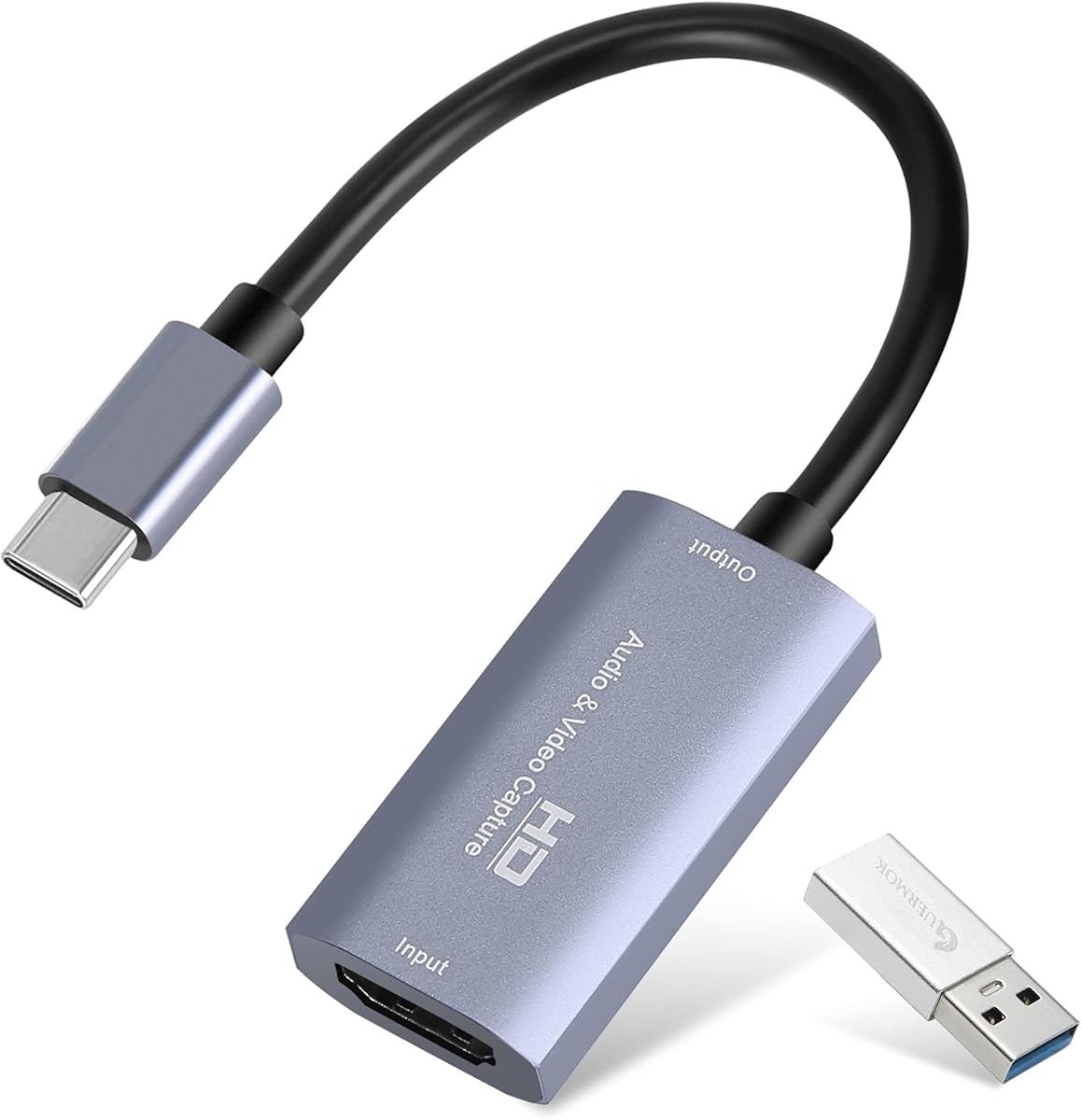
The Guermok Video Capture Card is designed for portability with a compact aluminum design that fits easily in bags. It offers 1080P60fps recording over USB-C which suits modern Linux laptops with limited USB-A ports.
We may earn a commission when you buy through this link, at no additional cost to you.
Its low latency performance allows smooth screen sharing and gaming capture without noticeable delays. The plug and play functionality ensures quick setup without driver installations making it convenient for on-the-go streaming tasks.
While it supports one-way transmission only users must use third-party software like OBS for recording. The adapter included may limit USB 3.0 speeds if not connected properly so direct USB-C ports are recommended.
This model is perfect for travelers or remote educators on Linux needing a lightweight capture solution. It balances affordability with reliable 60fps performance making it a practical choice for everyday use.
Small size allows easy transport for field reporting or travel streaming without adding bulk to your gear.
USB-C support ensures compatibility with newer Linux laptops that have phased out traditional USB-A ports entirely.
We may earn a commission when you buy through this link, at no additional cost to you.
Newhope USB 3.0 HDMI Capture Card provides a simple solution for 1080P60fps capture with HDMI loop-out for real-time viewing. It supports Linux systems without drivers making it accessible for users avoiding proprietary software.
We may earn a commission when you buy through this link, at no additional cost to you.
The mic-in port allows direct headset connection for commentary during gaming or teaching sessions. Loop-out ensures minimal delay on external displays which is vital for competitive gaming setups where timing matters.
While it only records up to 1080P the pass-through supports 4K for high-quality monitoring. The lack of external power requirements simplifies setup making it convenient for portable streaming stations.
This device is best for budget-conscious Linux users needing basic capture functionality. It delivers solid performance for casual streams without the complexity of premium features or driver installations.
Loop-out port allows immediate feedback on gameplay or presentation quality without lag affecting performance.
Built-in mic-in lets you add voice directly without external audio interfaces saving cost and setup time.
We may earn a commission when you buy through this link, at no additional cost to you.
This capture card is designed for cost-effective streaming with 1080P60fps output suitable for most online platforms. It works seamlessly with Linux software like OBS Streamlabs or XSplit ensuring broad compatibility without drivers.
We may earn a commission when you buy through this link, at no additional cost to you.
The 4K HDMI input allows for high-quality signal capture though output is limited to 1080P. Its lightweight design makes it easy to carry for events or travel streaming sessions where portability is key.
While it lacks loop-out functionality the low latency performance ensures smooth real-time broadcasts. Users should expect standard quality which is sufficient for casual content creation or educational streaming needs.
Ideal for beginners on Linux this device offers a straightforward entry into video capture. It balances price and performance well without requiring technical expertise to configure or operate effectively.
Affordable pricing makes it accessible for new streamers or educators on tight budgets without sacrificing essential features.
Works with major streaming platforms ensuring you can broadcast to any service without additional plugins.
We may earn a commission when you buy through this link, at no additional cost to you.
UGREEN 2K capture card offers robust Linux support with 2K output at 30fps and 1080P60fps compatibility for flexible streaming. Its high-speed USB 3.0 ensures low latency transfers essential for smooth gameplay recording.
We may earn a commission when you buy through this link, at no additional cost to you.
The aluminum casing provides durability and heat dissipation for stable long-term performance. Dual USB-A and USB-C ports allow adaptability across different Linux laptop configurations without needing adapters.
While it supports only HDMI input sources this is standard for most gaming consoles and PCs. Users should disable HDCP on consoles to avoid handshake issues during capture sessions.
This is the top budget pick for Linux users seeking reliable performance at an affordable price. It offers essential features without bloat making it easy to integrate into existing OBS workflows.
5Gbps USB 3.0 ensures fast reliable video data transfer preventing lag during high-resolution streaming tasks.
USB-A and USB-C support ensures you can use this card with almost any modern Linux system.
We may earn a commission when you buy through this link, at no additional cost to you.
This capture card stands out with both microphone and headphone jacks allowing real-time audio monitoring and commentary. It supports 1080P60fps output and works seamlessly with Linux software for stable streaming performance.
We may earn a commission when you buy through this link, at no additional cost to you.
The low latency design ensures smooth gameplay capture without noticeable delays between action and broadcast. Compatibility with major platforms like Twitch and YouTube makes it versatile for content creators of all levels.
While the build is standard aluminum the 18-month warranty provides added peace of mind for buyers. The included cables and manual simplify setup reducing frustration during initial installation on Linux systems.
Ideal for streamers needing audio control without extra interfaces this card offers practical convenience. It balances cost and features effectively for users prioritizing audio quality during live broadcasts.
Headphone jack allows you to hear game audio directly ensuring levels are balanced before streaming.
18-month warranty coverage ensures support if hardware issues arise during regular usage cycles.
We may earn a commission when you buy through this link, at no additional cost to you.
AVerMedia StreamLine MINI+ provides premium features including 4K60 HDR passthrough for high-fidelity gaming on compatible displays. It records 1080p60 with ultra-low latency ensuring real-time responsiveness for competitive gamers on Linux systems.
We may earn a commission when you buy through this link, at no additional cost to you.
The Streaming Center software offers a simplified setup process though OBS remains supported for advanced users. HDR passthrough allows viewers to experience vivid colors while maintaining smooth gameplay performance.
While the price is higher the HDR support and zero-lag performance justify the investment for enthusiasts. Linux compatibility ensures you can use it without proprietary drivers or complex configurations on your machine.
This is the best pick for users needing HDR and 4K pass-through capabilities. It delivers professional-grade performance suitable for streamers prioritizing visual fidelity and latency precision.
HDR passthrough allows gaming in high dynamic range while capturing in standard 1080p60 for broader compatibility.
Streaming Center simplifies initial configuration making it easier to go live without technical knowledge.
We may earn a commission when you buy through this link, at no additional cost to you.
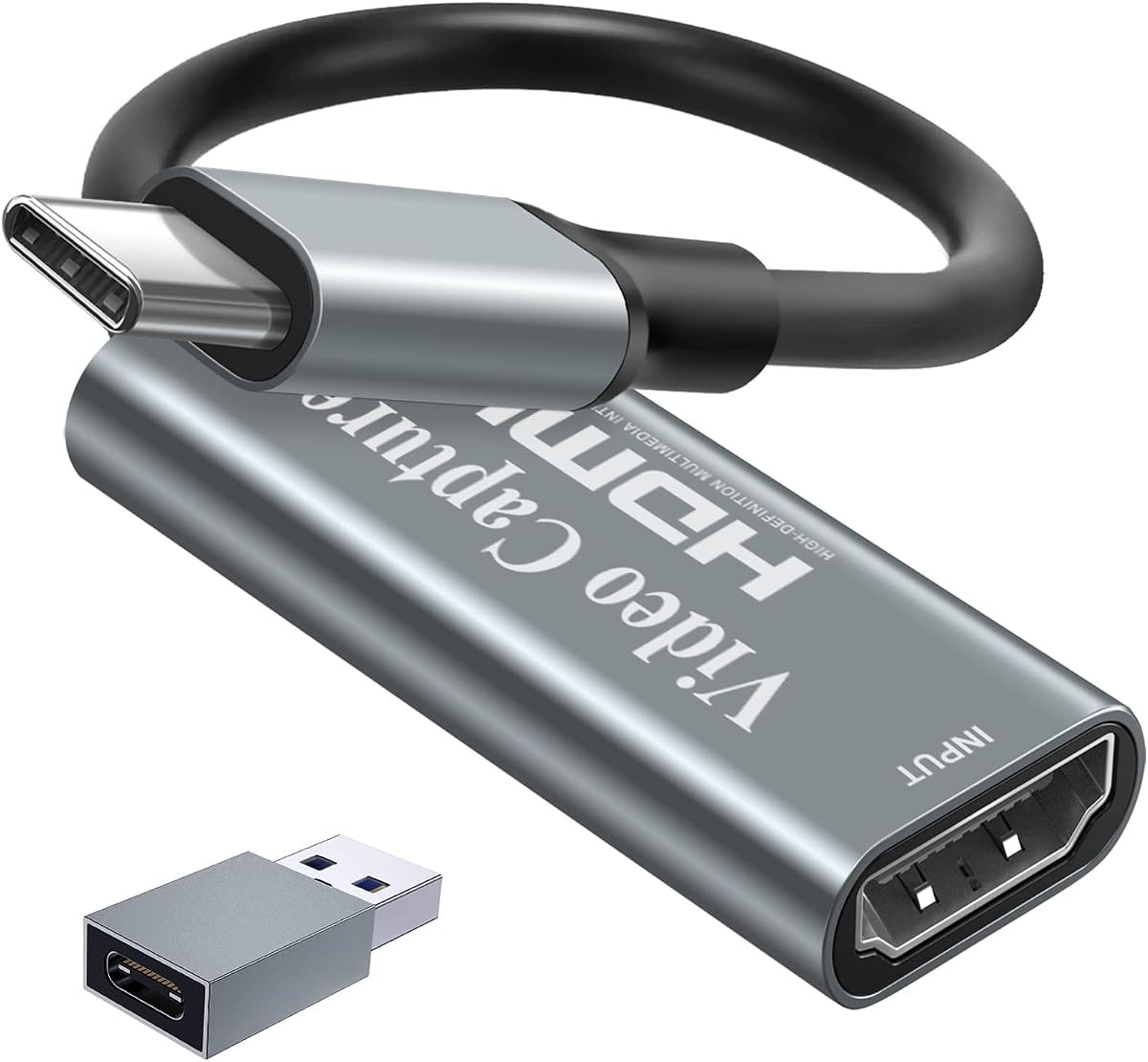
Papeaso Video Capture Card is designed for USB-C focused devices offering 1080P60fps capture for Linux laptops. It is plug and play with no freezing ensuring fluid recording for live broadcasts or meetings.
We may earn a commission when you buy through this link, at no additional cost to you.
The USB-C interface suits modern Linux ultrabooks that have phased out traditional USB-A ports. It supports a wide range of HDMI sources from consoles to cameras ensuring versatility across different setups.
While it lacks audio input options the video performance is stable and lag-free for most uses. The compact design makes it easy to carry for travel or remote streaming without bulk.
This is a practical choice for Linux users relying solely on USB-C connectivity. It offers solid performance at a low price point making it ideal for casual content creation needs.
Designed for modern USB-C ports ensuring compatibility with latest Linux ultrabooks without dongles.
No freezing ensures smooth video output which is essential for maintaining viewer engagement during streams.
We may earn a commission when you buy through this link, at no additional cost to you.
AVerMedia Live Gamer Ultra S delivers professional-grade 4K60 HDR capture with VRR support for ultra-wide gaming. It offers 5.1 channel audio capture ideal for immersive setups where audio fidelity matters for Linux users.
We may earn a commission when you buy through this link, at no additional cost to you.
This model supports ultrawide resolutions like 3440×1440 ensuring compatibility with modern high-refresh gaming monitors. Its VRR recording ensures smooth frame delivery even when screen refresh rates vary during gameplay.
While the price is high the HDR and VRR features justify it for serious creators. Linux compatibility ensures you can leverage these specs without proprietary driver issues common with other high-end hardware.
This is the best premium pick for Linux users needing top-tier performance. It balances advanced video specs with reliable hardware making it ideal for professional streaming workflows.
Supports 21:9 resolutions ensuring compatibility with ultrawide gaming monitors without cropping or distortion.
Captures surround sound audio directly enhancing immersion for viewers watching recorded gameplay sessions.
We may earn a commission when you buy through this link, at no additional cost to you.
Selecting the right capture card for Linux requires attention to driver compatibility resolution support and connectivity options to ensure seamless integration with your workflow.
Linux users need hardware that works via standard UVC drivers without requiring proprietary software. Check if the vendor explicitly lists Linux support on their website or forums to avoid installation hurdles.
Look for plug and play devices that work out of the box to save time on setup.
Streaming at 1080P60fps is the standard for smooth gameplay while 4K capture offers more detail for recording. Ensure the card supports the output resolution you plan to stream or record consistently.
Higher resolutions like 4K may require faster USB connections and higher CPU usage on your Linux system.
Modern Linux laptops often lack USB-A ports so USB-C support is crucial for portability. Ensure the card matches your available ports or comes with appropriate adapters to avoid signal loss.
USB 3.0 is recommended over 2.0 to ensure sufficient bandwidth for high frame rate streaming.
Loop-out allows you to view gameplay directly on a monitor without latency while the card records. This is essential for competitive gaming where split-second reactions matter for performance.
Prioritize cards with loop-out if you want real-time feedback without relying on software monitoring.
Built-in mic-in ports simplify setup for commentary without extra audio interfaces. This saves cost and reduces cable clutter during live streaming or meeting sessions.
Check if the card supports 3.5mm jacks to match your headset or microphone equipment.
Aluminum casings provide better heat dissipation which prevents overheating during long streaming sessions. This durability ensures stable performance over time especially when running high bandwidth tasks.
Invest in metal enclosures to maintain signal stability during prolonged usage without thermal throttling.
Ensure the card works with open-source tools like OBS Studio VLC or Potplayer for maximum flexibility. Avoid hardware that only works with proprietary software to maintain freedom on Linux systems.
Verify community feedback to confirm compatibility with your specific Linux distribution and version.
Affordable options exist for basic needs but premium cards offer better features like HDR or 5.1 audio. Balance your budget with the specs you truly need for your content creation goals.
Look for at least an 18-month warranty to protect your investment against manufacturing defects.
Begin by connecting the capture card to your Linux machine via USB 3.0 and the HDMI source device to the input port. Open OBS or VLC to confirm the card is detected as a video source in the software settings.
Adjust input resolution in your streaming software to match the capture card capabilities typically 1080P60fps. Ensure HDCP is disabled on consoles to prevent black screens during capture sessions.
Keep the device clean and ensure airflow around the aluminum casing to prevent overheating. Avoid using USB hubs that reduce power output which may cause signal drops during long recording sessions.
Most modern UVC compliant capture cards work natively on Linux without drivers. Always verify that the card supports Linux before buying to avoid software conflicts.
Many budget cards support 1080P60fps recording with 4K input passthrough. Premium models offer actual 4K capture but require higher system resources.
OBS Studio and VLC are the most widely supported open-source options for Linux. Both handle UVC capture cards seamlessly without proprietary plugins.
Avoid USB hubs as they often reduce bandwidth or power causing signal drops. Connect directly to the laptop or desktop USB port for best results.
Loop-out is essential for competitive gaming to monitor gameplay without lag. It is optional for casual streaming where monitoring isn't critical.
Restart the capture software after setup and check input settings. Ensure the card supports audio passthrough or use a separate audio cable if needed.
Yes but you must disable HDCP on the console settings to allow video signal processing. This is standard across most Linux compatible capture devices.
Yes they work with Zoom and other conferencing tools. Plug them in as a video source and select them within the meeting app settings.
We highlighted ten options for Linux users ranging from budget models to premium HDR cards. Each choice balances performance and compatibility for diverse streaming needs across the open-source ecosystem.
Prioritize driver-free operation and 1080P60fps support for smooth recording. USB-C connectivity is a plus if you use modern laptops without legacy ports for setup.
Always check current listings for the latest prices and compatibility notes before purchasing. Linux support may vary by distribution so verify community feedback before committing to a model.