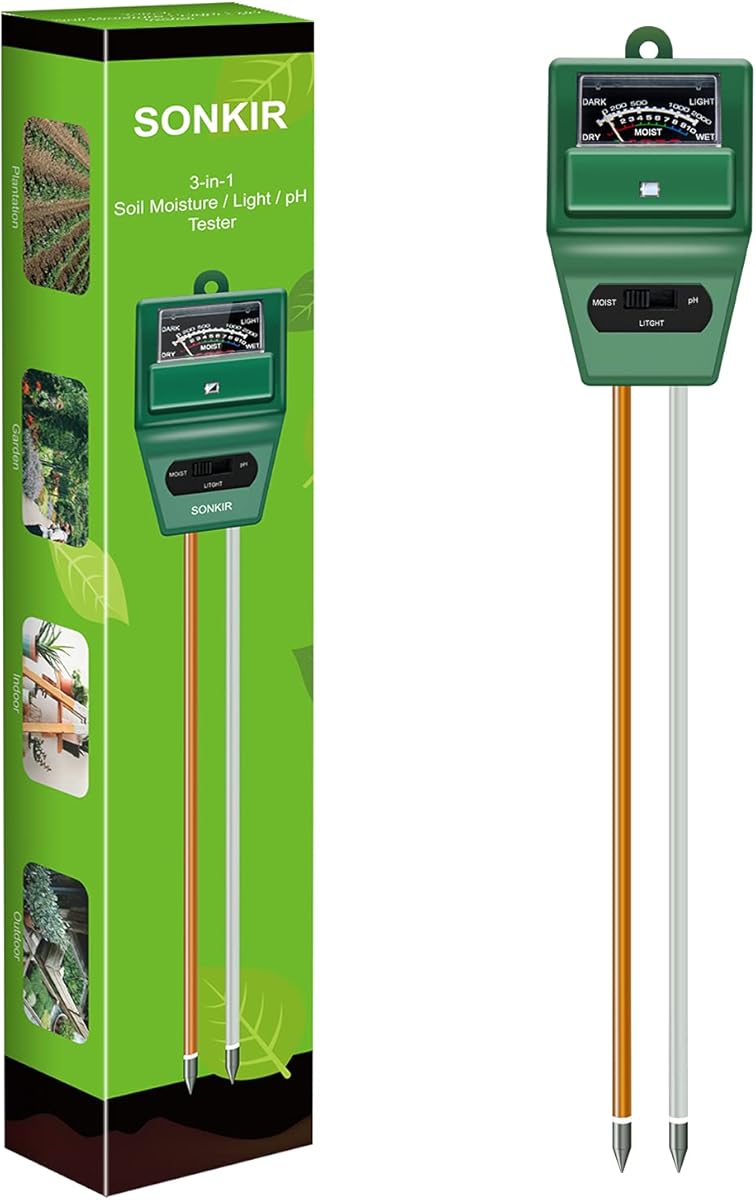
SONKIR Soil pH Meter
4.1Editor score
No battery needed
3-in-1 function
Compact design
Compare the top Bluetooth Soil Ph Meters for 2026. This guide reviews accuracy, connectivity, battery life, and features to help you choose the ideal smart
Choosing the right tool for monitoring soil conditions can transform your gardening efforts. Modern Bluetooth Soil Ph Meters offer seamless connectivity to your smartphone, allowing you to track pH levels, moisture, and temperature with precision. These devices eliminate guesswork, ensuring your plants receive the exact care they need for optimal growth and health.
We evaluated ten leading models based on accuracy, ease of use, connectivity stability, and feature sets. Each product was analyzed for its ability to provide reliable data across different soil types and environments. Our comparison covers everything from basic testers to advanced professional units with cloud storage and app integration.
Each pick highlights specific strengths like solar charging, expandable probes, or professional-grade accuracy. You will find detailed breakdowns of pros, cons, and technical specifications for every option. Please note that prices and availability change frequently, so verify current details before making your final purchase decision.
4.1Editor score

4.5Editor score

4.0Editor score
This table provides a side-by-side comparison of all ten models reviewed in this guide. It highlights key specifications such as measurement parameters, connectivity options, power sources, and specialized features to help you quickly identify the best fit for your specific gardening or agricultural needs.


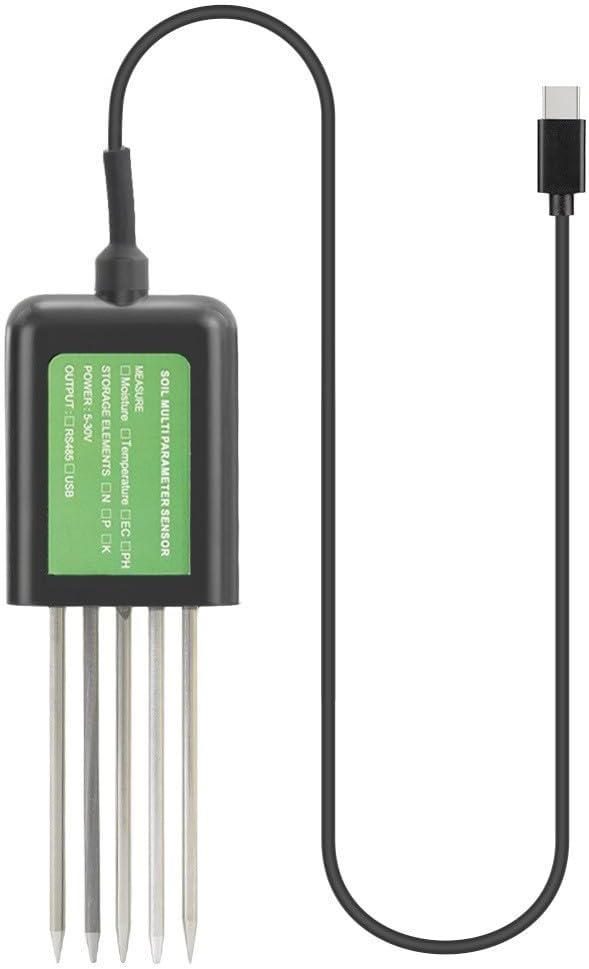


This device stands out as a robust option for gardeners needing multiple data points in one unit. It measures moisture, pH, temperature, light intensity, and fertility parameters effectively. The large LCD screen with backlight ensures readability in any lighting condition.
We may earn a commission when you buy through this link, at no additional cost to you.
The latest probe technology ensures quick and accurate readings within seconds. The fertility function helps you determine when to water or fertilize. This reduces the risk of overwatering or nutrient deficiencies significantly.
Users should note that the probe cannot be used directly in liquids. For dry soil, moistening the area beforehand is recommended to avoid damage. The device is built for both indoor and outdoor applications seamlessly.
This kit is ideal for those who want a complete picture of soil health without buying multiple devices. It offers excellent value for the range of features provided. It simplifies plant care for beginners and experienced gardeners alike.
The seven-in-one capability allows for holistic plant health monitoring in a single probe insertion. This saves time and ensures all environmental factors are considered together.
The intuitive display and clear symbols make it easy for anyone to interpret results without technical training. This accessibility encourages consistent monitoring habits.
We may earn a commission when you buy through this link, at no additional cost to you.
This model excels in connectivity, allowing you to sync data directly to a smartphone app. This feature is essential for long-term tracking of soil conditions over time. The device handles a wide range of liquids from soil to wine.
We may earn a commission when you buy through this link, at no additional cost to you.
The conical steel probe protects the electrode from damage while ensuring durability in tough soil. Automatic Temperature Compensation ensures that your readings remain accurate regardless of ambient temperature changes. The backlight aids in low-light conditions.
Connectivity can sometimes require pairing setup which might be tricky for non-tech users. It is primarily designed for liquids and soil, so ensure you use it within specified parameters. Regular calibration may be needed for peak performance.
Ideal for tech-savvy gardeners who want to log trends and share data with others. The ability to store readings automatically is a significant advantage over manual note-taking. It bridges the gap between traditional testing and modern data analytics.
Connecting to the app enables you to review historical data and make informed decisions based on trends. This removes the guesswork from long-term soil management strategies.
Beyond soil, this meter supports testing in pools, aquariums, and food products. This versatility makes it a highly valuable tool for diverse household and garden needs.
We may earn a commission when you buy through this link, at no additional cost to you.
This system is designed for larger plots where multiple points need monitoring simultaneously. The solar-powered probes stay in the soil and transmit data wirelessly to the controller. This eliminates the need to constantly move a single tester around.
We may earn a commission when you buy through this link, at no additional cost to you.
The controller collects air and light data while probes track soil conditions. You can expand the system to support up to thirty-two probes for comprehensive coverage. The split design allows viewing data without bending over.
Proper placement of the controller is critical for accurate air and light readings. The system requires initial setup to pair probes with the controller unit. It is best suited for serious gardeners or farmers rather than casual users.
This setup is perfect for greenhouses or large raised bed gardens. Monitoring different areas without walking around saves time and effort. The solar aspect ensures continuous operation without battery maintenance.
The ability to add up to thirty-two probes means this system grows with your garden. You can track soil variations across different beds without buying new tools.
Solar power for the probes means you do not need to replace batteries constantly. This reduces waste and maintenance, making it an eco-friendly choice for long-term use.
We may earn a commission when you buy through this link, at no additional cost to you.
This device offers a simple and affordable way to check soil health without digital complexity. It combines moisture, pH, and light testing in a compact unit. No batteries are required as it runs on the physical properties of the soil.
We may earn a commission when you buy through this link, at no additional cost to you.
Insert the meter and wait a few minutes for the needle to stabilize. The design is sturdy enough for regular outdoor use in various environments. It is ideal for quick checks before planting or watering.
The analog dial can be harder to read than digital screens for some users. Accuracy may vary slightly compared to electronic digital models. It is less precise for critical adjustments but sufficient for general maintenance.
Best for casual gardeners or those just starting their plant care journey. The price point makes it accessible for everyone. It serves as a reliable backup tool for basic soil checks.
Since no batteries are needed, you never have to worry about finding replacements for your tool. This ensures the device is always ready when you need it.
It covers the three most important metrics for general plant care. This simplicity is a strength for users who do not need detailed data logs.
We may earn a commission when you buy through this link, at no additional cost to you.
This tester integrates seamlessly with the YINMIK app for detailed data tracking. You can store up to one thousand data points to monitor changes over time. The app allows you to add notes to specific samples for better context.
We may earn a commission when you buy through this link, at no additional cost to you.
The tapered plastic dibber protects the pH electrode while testing various soil types. It works well for garden soil, coco coir, and hydroponic solutions. Calibration powder and tools are included in the package.
You must have a smartphone to access the full features of this unit. The battery life is decent but relies on replaceable LR44 cells. It is best for those who want to track progress visually.
Ideal for plant enthusiasts who enjoy tracking growth conditions meticulously. The app adds significant value by removing manual record-keeping. It ensures you can spot trends quickly.
The app allows you to look back at past readings to see if changes are moving in the right direction. This historical context is invaluable for troubleshooting plant issues.
Inclusion of calibration powder and cleaning tools makes it ready to use out of the box. You do not need to buy extra accessories to start testing immediately.
We may earn a commission when you buy through this link, at no additional cost to you.
This kit includes both a pH meter and a moisture meter for comprehensive testing. The moisture meter uses FDR technology for better accuracy than basic analog types. It is perfect for hydroponics and soil gardening alike.
We may earn a commission when you buy through this link, at no additional cost to you.
The pH meter features a stainless-steel dibber to protect the electrode from damage. You can test both soil and water with the provided tools. Calibration solutions are included to ensure readings stay accurate.
Carrying two devices might be slightly cumbersome compared to combined units. The price is higher than basic single-function testers. However the accuracy and versatility justify the investment for serious growers.
Best for users who need precise water and nutrient monitoring. It removes the need to buy separate tools for moisture and pH. This ensures consistent data across your entire setup.
The inclusion of EC meter capabilities allows for nutrient solution monitoring. This is essential for hydroponic systems where nutrient balance is critical for growth.
Using FDR method means moisture readings are more stable and reliable. This helps you schedule watering more effectively to prevent root rot.
We may earn a commission when you buy through this link, at no additional cost to you.
This device is designed for professional and research applications requiring detailed data. It measures NPK nutrients which standard home units cannot provide. Connecting via USB allows direct data export to computers for analysis.
We may earn a commission when you buy through this link, at no additional cost to you.
The IP68 rating means it is fully sealed against water and dust for rugged use. It operates without batteries, relying on USB power during testing. This ensures consistent performance without power failure risks.
The need for a USB connection limits portability in the field. It is more complex than simple analog or Bluetooth tools. Users may need technical skills to interpret the data effectively.
Best suited for farms and research labs needing accurate nutrient profiles. It provides data that can drive precise fertilization decisions. The durability ensures it withstands harsh environments.
Measuring NPK nutrients allows for targeted fertilizer application. This can reduce waste and improve crop yields significantly compared to guesswork.
Exporting data to a computer allows for advanced analysis and record keeping. This is crucial for large-scale operations tracking seasonal changes.
We may earn a commission when you buy through this link, at no additional cost to you.
This meter is engineered for professional growers who demand accuracy and durability. It measures temperature, EC, and pH with lightning fast readings. The replaceable probe extends the device life significantly.
We may earn a commission when you buy through this link, at no additional cost to you.
Titanium electrodes and an IP68 rating make it resistant to damage and water. It floats in water which is convenient for tank testing. Bluetooth sync allows you to track grow history in one place.
The price point is significantly higher than budget options. It is optimized for hydroponic and soil testing rather than casual gardening. The app adds value but requires a smartphone.
Best for serious hydroponics growers and professionals. The build quality ensures reliability for daily use. It is an investment that pays off in consistent crop results.
Built to withstand daily use in commercial settings. The design ensures you get accurate data every time without frequent calibration.
The replaceable probe means you do not need to buy a new device when the electrode wears out. This extends the lifespan of your investment.
We may earn a commission when you buy through this link, at no additional cost to you.
This classic meter has been trusted for decades due to its reliability. It requires no chemical solutions or electric power source to function. You can take numerous readings across large areas easily.
We may earn a commission when you buy through this link, at no additional cost to you.
The device measures moisture and pH values with straightforward accuracy. Conditioning film is sold separately to protect the probe over time. It is robust and built for tough environments.
You need to purchase the conditioning film separately for optimal use. It does not offer digital data storage or app integration. It is purely a field tool for immediate readings.
Best for traditional gardeners who prefer simplicity over digital tech. The lack of batteries ensures it never fails due to power loss. It remains a standard tool for many professionals.
This tool is always ready for use without worrying about batteries or charging. It is perfect for quick inspections on large properties.
Many farmers rely on this meter because it consistently delivers results. Its simplicity is a feature that ensures longevity and ease of maintenance.
We may earn a commission when you buy through this link, at no additional cost to you.
This unit is built for heavy-duty industrial and agricultural analysis. It measures full NPK values and conductivity for comprehensive soil health data. The device stores up to one hundred thousand data points for detailed records.
We may earn a commission when you buy through this link, at no additional cost to you.
Data can be exported to a computer via Excel for advanced analysis. The screen is large and full-color for easy reading in any light. It is designed to improve yields through systematic assessment.
It is the most expensive unit on this list by far. It is likely overkill for typical home garden needs. It requires specific knowledge to interpret the detailed data effectively.
Best for agricultural companies and research institutions. The ability to export data for large-scale planning is unmatched. It offers professional precision for critical operations.
Exporting data to Excel allows for custom reporting and analysis. This capability is essential for large farms tracking performance over seasons.
By assessing soil conditions systematically, you can make data-driven decisions that improve crop yields. This level of detail supports professional agricultural practices.
We may earn a commission when you buy through this link, at no additional cost to you.
Choosing the right soil tester depends on your specific gardening needs and technical preferences. Below are key factors to consider to ensure you select the most suitable tool.
Determine which soil metrics you need to monitor. Basic units measure moisture and pH, while advanced models include temperature, light, and nutrient levels like NPK. For comprehensive plant care, a multi-parameter device is ideal.
Consider how many factors you need. A simple tester saves money if you only need basic hydration checks. Advanced tools are necessary for scientific gardening or professional farming.
Bluetooth Soil Ph Meters allow you to sync data to your phone. This helps in tracking trends over time without manual notes. Look for apps that support data export for long-term analysis.
If you do not use a smartphone, a traditional unit is better. Connectivity adds value but requires a compatible device and app usage. Decide if data logging is worth the extra cost.
Some meters run on batteries while others are self-powered or solar. Battery-powered units need replacements which adds maintenance. Solar or wireless probes offer convenience for long-term use.
Always check the battery type required. AAA batteries are common and easy to find, but rechargeable or solar options reduce waste. Consider the long-term cost of power sources.
Your device should withstand outdoor conditions like rain and dirt. Look for waterproof ratings or rugged designs. A robust probe ensures longevity and consistent readings in various soils.
Materials matter significantly. Stainless steel or titanium probes resist corrosion better than plastic. This is essential for accurate readings over time without degradation.
The device should be intuitive to read and operate. Large displays and clear symbols help avoid errors. Some models require calibration or setup steps which can be time-consuming.
Prioritize simplicity if you are a beginner. Complex setups might lead to frustration. Ensure the interface matches your technical comfort level for consistent use.
Balance your budget with the features you actually need. High-end units offer precision but may be overkill for a small garden. Entry-level options are sufficient for general maintenance.
Calculate the value based on usage frequency. If you garden professionally, investing in a premium unit saves time. For casual hobbyists, a budget-friendly model works well.
Accuracy depends on proper calibration. Some units come with calibration powder or solutions. Others require manual setup which can be tricky for non-tech users.
Check if calibration items are included in the box. This saves extra costs and ensures accuracy from day one. Easy calibration processes maintain reliability.
Choose a tool designed for your specific plants. Hydroponic tools differ from soil testers. Ensure the device supports the medium you use to avoid damage or inaccurate data.
Match the tool to your use case. A device for large farms needs different specs than one for indoor pots. Select a model tailored to your environment.
Always prepare your soil before testing. If the soil is too dry, moisten it slightly and wait a few minutes. This ensures accurate readings and protects the probe from damage due to friction.
Insert the probe to the recommended depth. Usually a few inches is sufficient to get a true sample. Hold it steady and wait for the reading to stabilize on the display or app.
Clean the probe after every use to prevent soil buildup. Use a soft brush or cloth to wipe it down. Store the device in a dry place to maintain calibration and longevity.
It is generally recommended to test your soil at least once a year. If you are actively managing plant health, monthly checks are beneficial. This helps you catch imbalances before they affect plant growth significantly.
Most Bluetooth meters need a smartphone to access app features. However, they can usually display readings on the device itself. You do not need a phone to get basic readings.
Most plants thrive in a pH range of 6.0 to 7.0. Some plants like acid-loving blueberries prefer lower levels. Knowing your plant specific needs helps you adjust soil accordingly.
Yes, many digital meters can test hydroponic solutions. Ensure the device is rated for liquids. Some models are specifically designed for water and nutrient testing.
Use calibration buffer powder or solutions provided. Mix them with water and insert the probe until it stabilizes. Follow the instructions in your manual for specific steps.
Digital meters generally provide more precise readings. They can detect small changes that analog needles might miss. However, proper calibration is key for both types.
Wipe the probe with a soft cloth after use. For tough soil, use a small brush. Avoid harsh chemicals that might damage the sensor surface.
The device will not function until replaced. Keep spare batteries handy. For solar models, ensure the panel is clean to charge properly.
Choosing the right tool depends on your specific gardening goals and environment. Whether you prefer a simple analog meter or a Bluetooth Soil Ph Meters with app integration, the key is finding a device that is easy to use.
Prioritize accuracy and durability for long-term benefits. Investing in a quality model ensures you get reliable data season after season. The right meter makes plant care more precise and effective.
Always verify the current price and availability before buying. Prices change frequently so check the latest deal. With the right tool, your garden will thrive with data-driven care.