
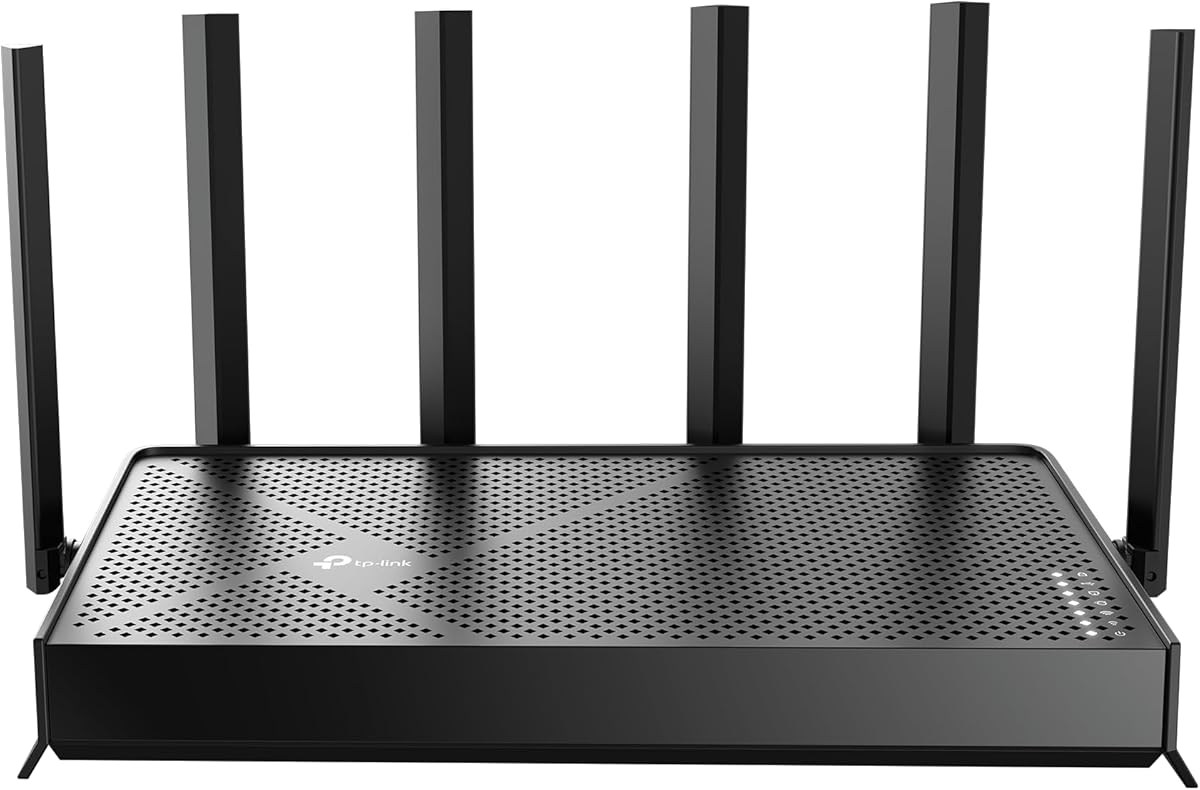
TP-Link AX5400 WiFi 6 Router
4.5Editor score
5400 Mbps total throughput
Covers up to 2000 sq ft
USB 3.0 sharing port
This guide compares the top long range WiFi routers for 2026 to help you find the best device for whole home coverage and high speed performance.
Finding a reliable long range WiFi router is essential for modern homes where connectivity reaches every corner. Whether you have a large property or many connected devices, the right router ensures stable signals and fast speeds throughout your living space without interruptions.
We evaluated ten top performing routers based on coverage area, speed capabilities, and advanced features like WiFi 7 and mesh compatibility. Each model was analyzed for its antenna design, processing power, and ability to handle multiple devices simultaneously under real world network conditions.
Each pick below highlights key strengths and ideal use cases to help you decide which router fits your needs. Please note that product availability and pricing can change frequently so check current listings before making your final purchase decision online.
4.5Editor score
4.3Editor score
4.2Editor score
The following table provides a side by side comparison of all ten routers reviewed in this guide. It highlights key specifications such as maximum coverage area, Wi-Fi generation, and unique features to help you quickly identify the best fit for your network requirements.





The TP-Link BE6500 stands out as a top contender for long range connectivity with its advanced WiFi 7 technology. Rated highly for performance, it delivers optimized speeds across multiple bands ensuring stable connections even in large homes with many devices.
We may earn a commission when you buy through this link, at no additional cost to you.
Its standout feature is Multi-Link Operation which transfers data across frequency bands simultaneously for enhanced throughput and lower latency. This router covers up to 2400 square feet and supports up to 90 devices making it ideal for families with heavy streaming or gaming needs.
While it offers excellent performance, users should note it is not compatible with Deco mesh systems though it works with EasyMesh routers. Additionally a separate modem is required which is standard for most setups but worth remembering during planning.
This router is best suited for tech savvy users who want future proof speeds and robust security features. If you need reliable coverage for smart homes and gaming setups this model provides the performance and stability required for modern networks.
Multi-Link Operation and 4K-QAM ensure maximum efficiency and speed for the latest laptops and smartphones.
Built-in cybersecurity commitments and HomeShield services protect your network from threats automatically.
We may earn a commission when you buy through this link, at no additional cost to you.
The AXE5400 brings the benefits of the 6 GHz band to your home network offering faster speeds and less interference. It is rated well for handling multiple devices simultaneously making it a strong choice for households with heavy internet usage.
We may earn a commission when you buy through this link, at no additional cost to you.
This router features a unique design that optimizes heat dissipation ensuring long-term reliability under load. With tri-band technology it provides more bandwidth for gaming and video chatting while maintaining stable connections for smart home devices.
A potential downside is that not all devices currently support the 6 GHz band which may limit immediate benefits. Also the price point is higher than standard WiFi 6 routers but the future readiness often justifies the cost for early adopters.
Ideal for users seeking near-zero latency and high capacity networks this router delivers responsive performance. If you have a busy home with streaming and gaming needs the AXE5400 provides the extra bandwidth needed to prevent slowdowns.
The extra 6 GHz band ensures your fastest devices have a dedicated lane without congestion.
Dual-core CPU and improved ventilation help maintain consistent performance over time.
We may earn a commission when you buy through this link, at no additional cost to you.
The AX5400 offers exceptional value by combining high speed WiFi 6 features with a budget-friendly price. It covers up to 2000 square feet and supports 8K streaming making it a practical choice for many homeowners looking to upgrade their network.
We may earn a commission when you buy through this link, at no additional cost to you.
Equipped with 4T4R and HE160 technologies it delivers ultra-fast connections on the 5 GHz band. The USB 3.0 port allows easy media sharing and private cloud storage which adds convenience without needing extra hardware.
While it lacks the 6 GHz band found in newer models it still handles multiple devices efficiently with MU-MIMO and OFDMA. The vented design ensures better heat management which helps maintain performance during long periods of heavy use.
This router is perfect for users who want reliable speed and coverage without breaking the bank. If you need solid performance for streaming and gaming and basic smart home management the AX5400 provides all the essential features you need.
Supports 8K streaming and gaming with dedicated bandwidth for multiple devices simultaneously.
USB port enables direct storage connection for private cloud access without a server.
We may earn a commission when you buy through this link, at no additional cost to you.
The AX6000 is designed for users who want to push the limits of wired and wireless speeds. It features a breakthrough 2.5G multi-gigabit port that ensures your router is not a bottleneck for fast internet plans.
We may earn a commission when you buy through this link, at no additional cost to you.
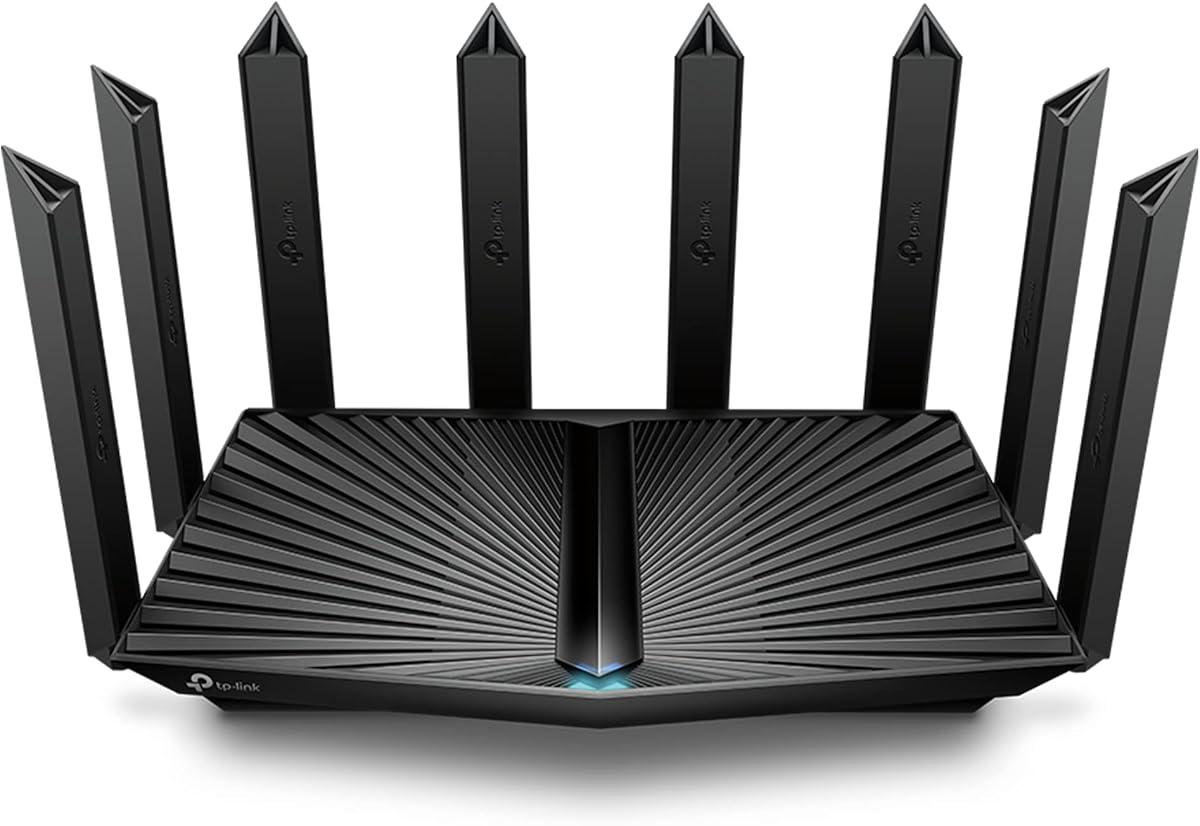
With eight high-gain antennas and Beamforming technology it ensures vast coverage and reliable connections throughout your home. This makes it ideal for larger homes where signal strength might otherwise drop in certain rooms.
One trade-off is that it supports only dual-band WiFi 6 rather than tri-band which might limit channel flexibility compared to newer models. However the dedicated 2.5G port makes it future-proof for multi-gig internet plans becoming more common.
Choose this router if you have a high-speed plan and want to ensure your wired devices get maximum throughput. It is also a great choice for those who prefer voice control and easy mesh expansion via OneMesh technology.
2.5G port unlocks faster speeds for internet plans exceeding standard gigabit limits.
Alexa compatibility allows you to manage network settings using simple voice commands.
We may earn a commission when you buy through this link, at no additional cost to you.
The Nighthawk RS90 brings WiFi 7 speeds to a manageable package suitable for average-sized homes. It delivers up to 3.6 Gbps and covers 2000 square feet ensuring reliable connectivity for streaming and video calls.
We may earn a commission when you buy through this link, at no additional cost to you.
Setup and management are straightforward with the Nighthawk app allowing you to run speed tests and manage devices remotely. The 2.5 Gig WAN port ensures you can take advantage of multi-gig internet plans without slowing down wired devices.
While it is a dual-band model it still provides excellent throughput but might lack the extra lane of tri-band systems. Also advanced security features like Armor require a separate subscription which adds to the long-term cost.
This router is a great choice for users who want a balance of performance and ease of use. If you need a reliable network that handles modern demands without complex setup the RS90 is a strong option.
Mobile app allows full control over settings guest networks and device monitoring on the go.
Gigabit and multi-gig ports ensure compatibility with current and upcoming internet services.
We may earn a commission when you buy through this link, at no additional cost to you.
This Nighthawk model delivers exceptional speed with up to 9.3 Gbps across three bands making it one of the fastest options available. It covers 2500 square feet and supports up to 100 devices ensuring no slowdowns even in crowded networks.
We may earn a commission when you buy through this link, at no additional cost to you.
The addition of a third high-speed band gives your fastest devices their own lane reducing congestion significantly. With two 2.5 Gig LAN ports you can connect multiple wired devices like NAS drives or gaming rigs without compromise.
The main trade-off is the price which is higher than dual-band models and the physical size which may be larger than some expect. However the performance benefits for heavy users justify the investment for those demanding top-tier speeds.
Ideal for power users and tech enthusiasts this router ensures your network keeps up with growing home demands. If you need maximum speed for gaming 8K streaming and large file transfers this model provides the capacity required.
Dedicated 6 GHz band ensures your fastest devices always have a clear path without congestion.
Multiple 2.5 Gig LAN ports allow simultaneous high-speed connections for desktops and servers.
We may earn a commission when you buy through this link, at no additional cost to you.
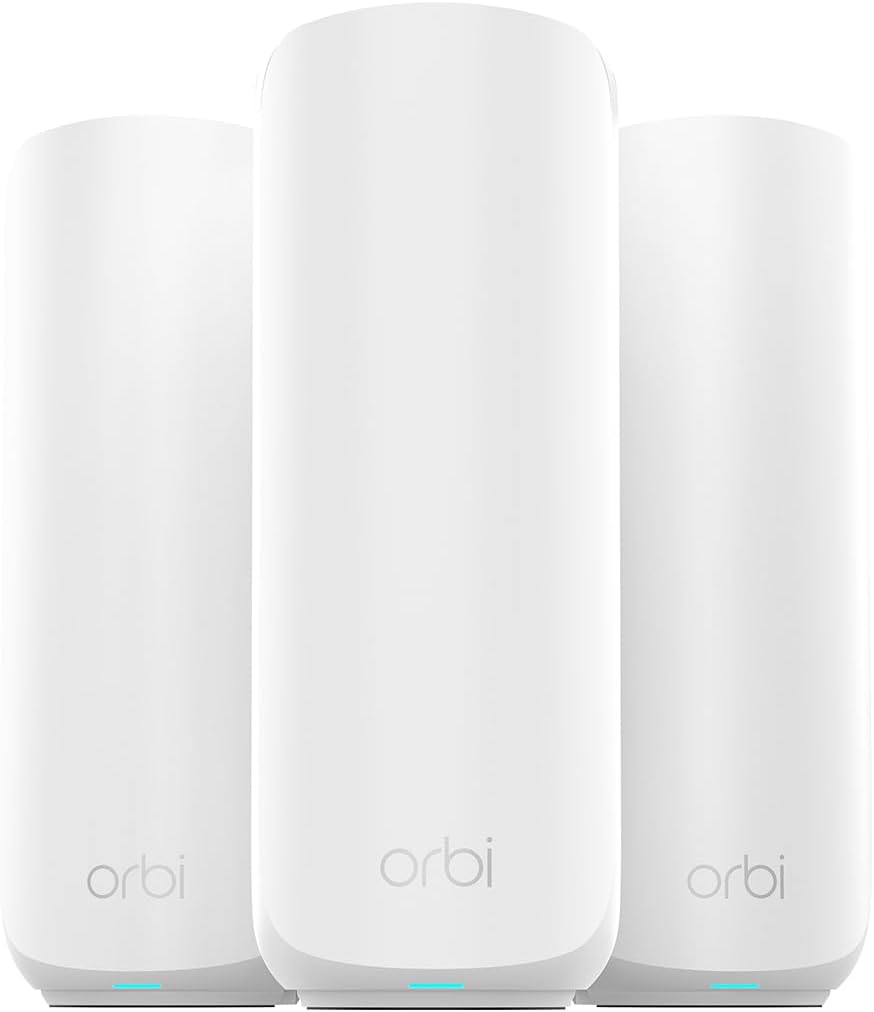
The Orbi 370 Series is a complete mesh system designed to blanket large homes with fast reliable WiFi. It covers up to 6000 square feet and supports up to 70 devices making it perfect for multi-story properties or large estates.
We may earn a commission when you buy through this link, at no additional cost to you.
With dual-band technology and enhanced backhaul it delivers faster WiFi across your home without signal drops or lag. The 3 pack ensures coverage from the front door to the backyard and even basement to rooftop areas.
While it offers superior coverage the initial cost is higher than single routers and it requires space for multiple units. However the seamless experience and easy expansion with satellites make it worth the investment for large homes.
Choose this system if you need consistent high speed everywhere in your home without dead zones. For households with many devices spread across multiple floors the Orbi 370 provides the performance and reliability needed.
Mesh satellites create one network so you never lose connection as you move around.
Add more satellites to cover even larger areas without complex configuration.
We may earn a commission when you buy through this link, at no additional cost to you.
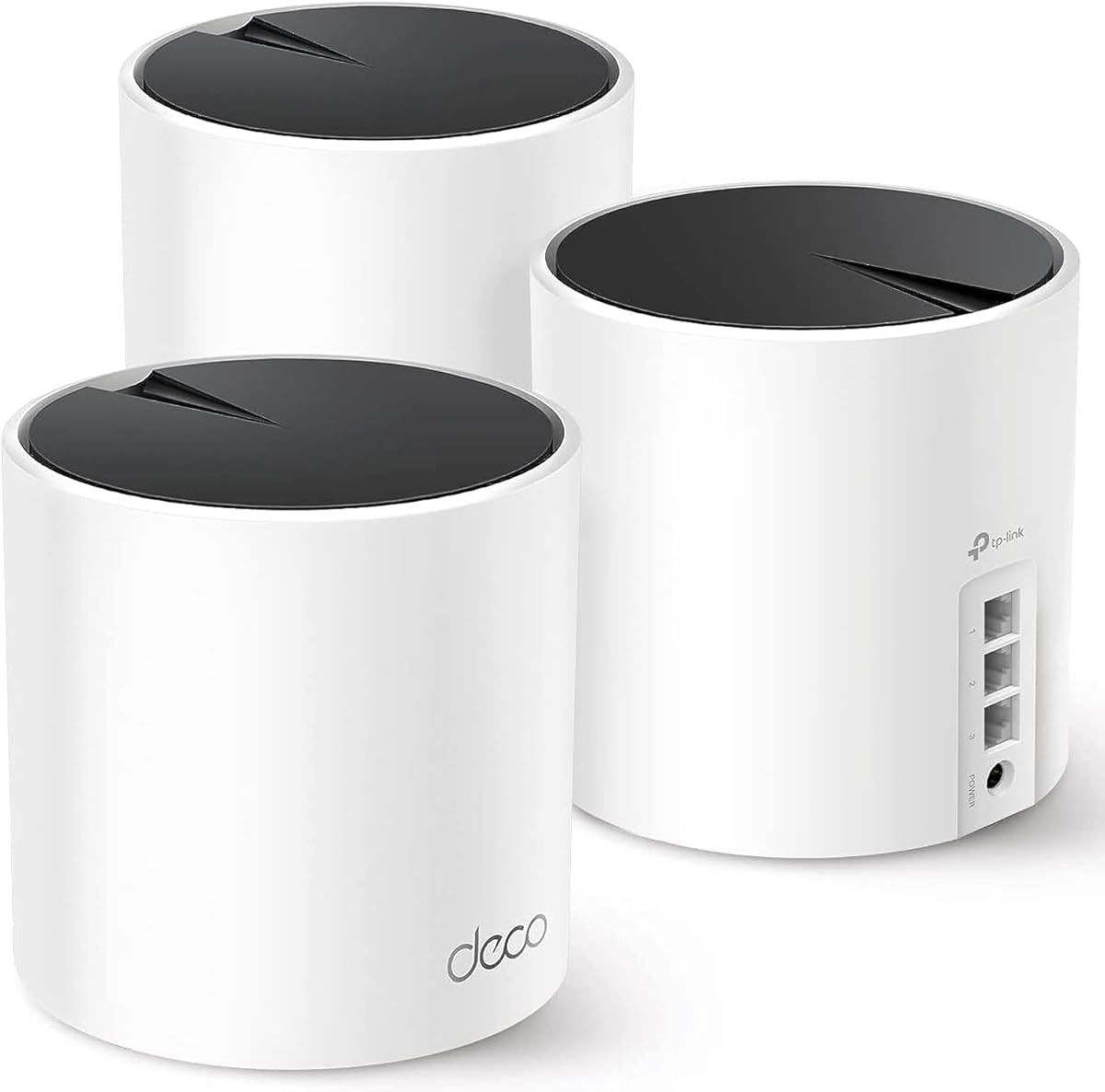
The Deco X55 mesh system offers robust whole home coverage designed to eliminate weak spots and buffering. Rated highly for stability it covers up to 5500 square feet and connects up to 150 devices with strong reliable signals.
We may earn a commission when you buy through this link, at no additional cost to you.
Its AI-driven mesh technology learns the network environment to provide ideal WiFi unique to your home layout. Each unit has three gigabit ports allowing wired backhaul or direct device connections for improved performance.
While it uses WiFi 6 rather than WiFi 7 it still provides excellent speed and capacity for most households. The trade-off is that you need to place multiple units for full coverage which can take up more physical space.
This system is perfect for users who want a reliable seamless network across a large home. If you have many smart devices and need consistent coverage the Deco X55 delivers strong performance without dead zones.
Intelligent learning ensures optimal signal paths for better speed and stability automatically.
Handles up to 150 connections making it ideal for smart homes with many gadgets.
We may earn a commission when you buy through this link, at no additional cost to you.
The BE9300 provides incredible speed with tri-band WiFi 7 offering over 9 Gbps total throughput. It ensures seamless 4K/8K streaming and ultra-fast downloads making it a strong contender for high performance networks.
We may earn a commission when you buy through this link, at no additional cost to you.
With five 2.5G ports you can connect multiple devices to full gigabit or multi-gig speeds without bottlenecks. The ability to set up a separate private IoT network helps secure your smart home devices effectively.
One drawback is its rating which is lower than some competitors potentially indicating occasional setup issues. Also while it supports EasyMesh the initial configuration might be more involved than simpler routers.
Choose this router if you need maximum wired and wireless speeds for demanding applications. For tech users who want dedicated IoT security and future proof speeds this model offers advanced features to meet those needs.
Combined bands deliver near 10 Gbps total throughput for simultaneous heavy usage.
Private network feature isolates smart devices to protect the main network from threats.
We may earn a commission when you buy through this link, at no additional cost to you.
The AC1200 is an affordable entry-level router that still provides solid performance for small to medium homes. It covers basic needs with dual band WiFi 5 and supports 4K streaming making it suitable for light users.
We may earn a commission when you buy through this link, at no additional cost to you.
Four gigabit ports allow direct wired connections for consoles or PCs ensuring low latency for gaming. Support for OneMesh means you can expand your network later without replacing the entire system which adds flexibility.
While it is older technology it remains reliable and secure with WPA3 encryption and Beamforming technology. The main limitation is that it lacks the speed and range of newer models which may not suit larger homes.
This router is perfect for those on a budget who need a reliable network for everyday tasks. If you have a small home and do not need extreme speeds the AC1200 provides excellent value and essential features.
Offers essential gigabit features at an accessible price point for casual users.
OneMesh compatibility lets you add extenders to cover larger areas later.
We may earn a commission when you buy through this link, at no additional cost to you.
Selecting the right long range WiFi router requires understanding key technical specifications and how they impact your home network. This section breaks down the essential factors to consider to help you make an informed decision.
Modern routers come in WiFi 5, 6, 6E, and 7 generations. Newer models like WiFi 7 offer higher speeds and lower latency which is crucial for 8K streaming and competitive gaming. Consider your internet plan and device compatibility when choosing a generation.
Look for a router that matches your current and future internet speeds to avoid bottlenecks. If you have a gigabit or multi-gig plan ensure the router supports high throughput via multi-gig ports and advanced Wi-Fi technology.
Coverage is determined by antenna design and transmit power. High-gain antennas and Beamforming technology help focus signals toward devices improving range. Check the manufacturer's stated square footage and compare it to your home layout.
Ensure the router covers your entire home including bedrooms and outdoor spaces. For very large homes consider mesh systems which use multiple units to eliminate dead zones rather than a single powerful router.
Many modern homes have dozens of smart devices from phones to cameras. Routers with MU-MIMO and OFDMA technology manage multiple connections better than older models. Check the supported device count to avoid congestion.
If you have a busy household with many users streaming or gaming simultaneously choose a router that supports high device counts. This ensures stable connections even when everyone is online at the same time.
Wired connections are vital for stability. Look for routers with gigabit or 2.5G ports to support fast internet plans. A 2.5G WAN port is essential for multi-gig internet service to fully utilize the speed you pay for.
Also consider USB ports if you need media sharing or cloud storage capabilities. Routers with more ports give you flexibility to connect devices like printers or storage drives directly to the network.
If you plan to expand your network later ensure the router supports mesh standards like EasyMesh or OneMesh. This allows you to add satellite units seamlessly to cover larger areas without complex setup.
Choose a router that integrates well with extenders if your home is multi-story. Mesh compatibility ensures a single network name throughout your home so devices switch access points smoothly.
Security is critical as smart home devices can be vulnerable. Look for built-in security suites that offer parental controls and real-time threat protection. Features like WPA3 encryption protect your data from unauthorized access.
Regular firmware updates are also key to keeping your router secure. Choose a brand that commits to security pledges and provides automatic updates to ensure your network stays protected against new threats.
User-friendly apps simplify setup and ongoing management. Features like visual network maps and device controls let you optimize performance from anywhere. Voice assistant compatibility adds another layer of convenience for quick adjustments.
If you are not tech savvy prioritize routers with guided setup and simple interfaces. A good management app helps you run speed tests pause devices or set guest networks without logging into complex admin panels.
While performance is key balance it with your budget. Entry-level routers may suffice for small homes but large homes need higher-end models. Consider long-term value including security subscription costs and potential future proofing.
Invest in a router that lasts several years by choosing newer standards like WiFi 6 or 7. While upfront costs may be higher the performance and longevity often justify the investment over time compared to cheaper outdated models.
Proper placement of your router significantly impacts its range and speed. Place it in a central elevated location away from walls and metal objects. Avoid placing it near microwaves or baby monitors as they can interfere with the signal.
Keep your router's firmware updated to ensure security patches and performance improvements. Most modern routers support automatic updates but you can also check the app or web interface manually. This prevents vulnerabilities that could compromise your network.
Regularly reboot your router to clear caches and reset connections. This simple step can resolve connectivity issues and improve speed over time. Also ensure the vents are dust-free to prevent overheating and maintain long-term reliability.
WiFi 7 offers faster speeds, lower latency, and wider channels than WiFi 6. It introduces Multi-Link Operation which allows devices to use multiple bands simultaneously for better performance. While WiFi 6 is still efficient for most homes, WiFi 7 is better for high-demand environments like 8K streaming or competitive gaming.
Yes, these routers are not modem-router combos so you will need a separate modem from your ISP. Connect the router's WAN port to the modem to establish your internet connection. This setup gives you more flexibility to upgrade either component independently.
You can expand range by adding mesh satellites or range extenders compatible with your router. Many models support EasyMesh or OneMesh so you can integrate additional units easily. Alternatively, try moving your router to a central location to optimize coverage.
Physical obstacles like thick walls or interference from appliances can reduce range. Ensure your router is placed centrally and elevated. For large homes, a mesh system is better than a single router to cover all areas effectively.
Yes, most routers work with any ISP including cable, fiber, and DSL providers. You just need to connect the router to your existing modem or gateway. Check with your ISP for any specific requirements like bridge mode settings.
Most modern routers include parental controls to manage screen time and block content. Some require a subscription for advanced features but basic controls are usually free. Check the specific model's app to see what tools are included out of the box.
We reviewed ten top performing routers ranging from budget-friendly options to premium mesh systems. The TP-Link BE6500 leads as our Editor's Choice for its balance of speed and coverage while the AX5400 offers great value for those on a budget.
When choosing a router prioritize coverage area and device capacity to match your home needs. Future proofing with newer WiFi standards like WiFi 7 or 6E ensures your network stays fast for years to come.
Remember that product details and pricing can change frequently so always check current listings before buying. With the right router your home will enjoy stable fast internet everywhere you need it.