
TTARTISAN 40mm f/2.8 Macro Lens
4.4Editor score
1:1 macro magnification
Compact travel ready design
Superior optical performance
This guide compares the top ten macro lenses for insect photography including dedicated optics and phone attachments to help you capture stunning close-up
Capturing the intricate details of insects requires specialized optics that can magnify tiny subjects without losing clarity. A good macro lens allows you to focus extremely close while maintaining sharpness across the frame for professional results.
We evaluated ten diverse options ranging from dedicated camera optics to smartphone attachments to find the best tools for nature enthusiasts. Each product was assessed on optical performance, build quality, and ease of use for field photography.
Every selection below highlights unique strengths for different budgets and camera systems so you can choose the right tool for your needs. Please note that pricing and availability can change frequently on online marketplaces.
4.4Editor score

4.7Editor score
4.6Editor score
The following comparison table outlines the key specifications and features of each lens to help you quickly identify the best fit for your camera system and budget constraints.


The Canon RF100mm F2.8 L Macro is USM Lens stands out as the premier choice for serious insect photographers needing extreme detail. It holds a top rating due to its unmatched 1.4x magnification capability which reveals textures invisible to standard macro lenses.
We may earn a commission when you buy through this link, at no additional cost to you.
Its optical image stabilizer provides up to five stops of shake correction which is critical when shooting small moving subjects at close range. The hybrid IS system compensates for both angular and shift camera shake ensuring sharper images in hand held scenarios.
While the price is higher than many competitors the unique magnification ratio justifies the investment for professionals. The spherical aberration control ring allows creative adjustments to the bokeh character which adds artistic value to your insect portraits.
This lens is ideal for photographers seeking the absolute best optical performance on Canon RF systems. If you prioritize image quality and magnification over weight and cost this lens delivers professional results consistently.
With 1.4x magnification this lens captures more detail than standard 1:1 macro options allowing for extreme close-ups without digital cropping.
The hybrid image stabilization system helps reduce blur caused by hand movement or subject motion during critical moments of insect behavior.
We may earn a commission when you buy through this link, at no additional cost to you.
The TTARTISAN 40mm f/2.8 Macro Lens offers exceptional value for photographers on a budget who still demand professional level optics. It maintains a high rating by delivering true 1:1 magnification for life-size insect reproduction without the high cost of major brands.
We may earn a commission when you buy through this link, at no additional cost to you.
Its compact travel-ready design makes it easy to carry on nature expeditions where weight matters. The all-metal construction ensures durability in the field while the optical design minimizes aberrations for sharp botanical and insect images.
Manual focus requires patience but allows precise control over depth of field which is crucial for small subjects. While limited to Sony E-Mount APS-C cameras it provides a compelling option for users of compatible systems seeking affordability.
This lens is perfect for hobbyists or travelers wanting quality macro results without breaking the bank. If you are comfortable with manual focus this lens delivers crisp images and reliable build quality for insect photography.
Delivering 1:1 magnification and solid build quality at a fraction of the cost of comparable lenses from larger manufacturers.
Weighing significantly less than similar options this lens reduces fatigue during long outdoor shooting sessions in the field.
We may earn a commission when you buy through this link, at no additional cost to you.
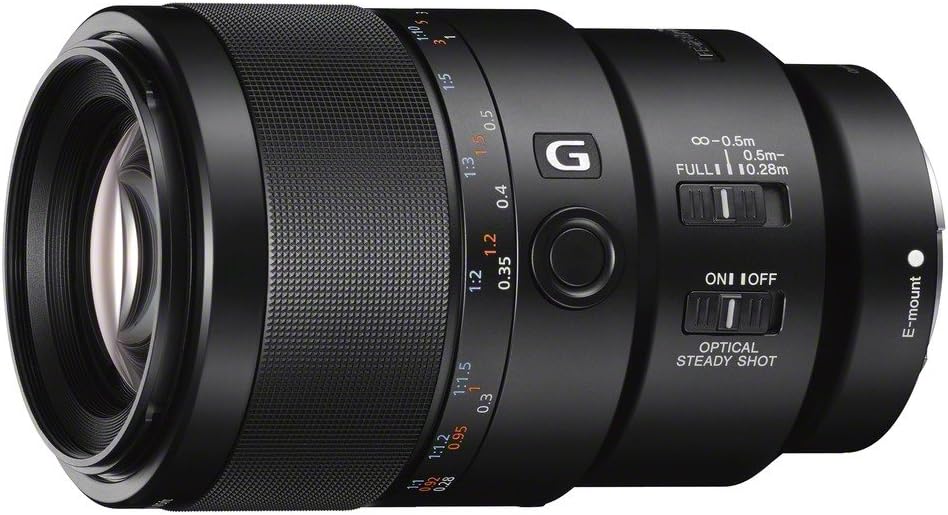
The Sony FE 90mm F2.8 Macro G OSS Full-Frame Lens is a top-tier choice for Sony shooters needing reliable performance in diverse weather conditions. It holds a strong rating for its corner to corner sharpness and advanced coatings that reduce flare and ghosting.
We may earn a commission when you buy through this link, at no additional cost to you.
Its dust and moisture resistant design protects internal elements when shooting in humid environments where insects thrive. The optical steady shot stabilization allows for sharp hand held images even when lighting is not ideal.
While the premium price may be high for some the build quality and optical performance justify the investment. The Nano AR coating ensures high contrast and color accuracy which is vital for capturing the subtle details of insect wings and textures.
This lens is best suited for professionals or enthusiasts with Sony full-frame bodies seeking durability and excellence. If weather sealing and sharpness are priorities this lens delivers consistent results in any environment.
Dust and moisture resistant design enables confidence when shooting in damp or rainy conditions often associated with insect activity.
Nano AR coating effectively suppresses internal reflections to maintain high contrast and color fidelity in challenging lighting.
We may earn a commission when you buy through this link, at no additional cost to you.
The APEXEL 100Ultra Macro Lens brings powerful macro capabilities to your smartphone camera for insect photography on the go. It receives a solid rating for its 10x magnification and large aperture that allows for stunning bokeh in mobile shots.
We may earn a commission when you buy through this link, at no additional cost to you.
Its universal clip-on compatibility means you can upgrade your iPhone or Samsung camera instantly without tools. The lossless magnification technology helps maintain clarity while the wide aperture manages low-light conditions effectively during evening shoots.
While not as robust as dedicated optics the versatility of mobile use makes it appealing for casual observers. The telephoto macro focal range lets you capture details from a comfortable distance without disturbing shy insects in their habitat.
This lens is ideal for travelers who want quality macro shots without carrying extra gear. If you shoot primarily with a phone this tool transforms it into a capable macro device for insects and flowers.
The ultra-large F1.05 aperture creates beautiful depth of field and bokeh that rivals dedicated cameras on a smartphone device.
With 50-110mm focal range you can capture subjects from further away reducing the risk of scaring sensitive insects.
We may earn a commission when you buy through this link, at no additional cost to you.
The Canon RF35mm F1.8 is Macro STM Lens offers a versatile and compact option for photographers wanting macro functionality alongside general shooting. It maintains a high rating for its bright aperture and optical image stabilization which helps with handheld insect work.
We may earn a commission when you buy through this link, at no additional cost to you.
Its control ring allows direct setting changes without digging through menus which is useful when adjusting quickly during shoots. The 0.5x magnification is useful for half life-size details without needing a dedicated long focal length lens.
While not a dedicated 1:1 macro this lens balances everyday use with macro capabilities well. The optical stabilization up to five stops ensures sharp images even when lighting is poor and you cannot use a tripod for insects.
This lens is best for those who want a single lens for portraits and macro alike. If you value portability and low-light performance on Canon RF bodies this is a highly capable and reliable choice.
F1.8 maximum aperture provides excellent low-light performance and shallow depth of field control for artistic insect images.
The physical control ring enables quick adjustments to ISO or aperture without taking your eye away from the viewfinder.
We may earn a commission when you buy through this link, at no additional cost to you.
The ULANZI CL-003 Phone Macro Lens stands out for its professional DSLR-style design which offers a more premium feel than typical clips. It achieves a good rating with its 10x optical magnification and upgraded lens technology that minimizes distortion for clear images.
We may earn a commission when you buy through this link, at no additional cost to you.
Its tele-focusing operation allows you to control the shooting distance like a real camera which provides greater flexibility during insect sessions. The aluminum alloy material feels durable and provides a non-slip texture for stable handling in the field.
Installation requires a 17mm adapter but the precision optical design ensures high throughput and natural bokeh. This makes it a strong option for serious mobile photographers who want better ergonomics than standard phone attachments offer.
This lens is ideal for users who prioritize build quality and control on their smartphones. If you already use a case with a 17mm port this lens is a convenient way to get sharp macro shots of insects.
Upgraded lens combination delivers more light throughput and less distortion for clearer detailed images of small insects.
Adopting the appearance of professional camera lenses this unit provides a better grip and feel during extended use.
We may earn a commission when you buy through this link, at no additional cost to you.
The FotoZ Macro Conversion Lens is a practical accessory that transforms your existing camera lens into a close-up setup for insect photography. It receives a high rating for its universal compatibility across many filter threads and easy snap-on design.
We may earn a commission when you buy through this link, at no additional cost to you.
With an 8 diopter power and multi-coated glass this accessory helps control distortion and improve light transmission significantly. It allows you to capture fine details of insects without purchasing a dedicated macro lens if you already own standard optics.
While it is an attachment rather than a standalone lens it offers immense value for casual photographers. The spring-loaded adapter secures the lens to your filter rings quickly so you can switch modes in seconds without tools.
This lens is best for photographers on a budget who want macro capabilities immediately. If you want to test macro shooting with your current gear this accessory provides an affordable and versatile entry point.
Compatible with lenses featuring 37mm to 72mm threads this accessory fits many cameras making it highly versatile.
The tool-free instant snap-on design allows quick switching between macro and normal photography without disassembly.
We may earn a commission when you buy through this link, at no additional cost to you.
The 67mm Close-up Filter Kit provides four distinct power options for magnifying insects and small objects with your existing lens. It earns a solid rating for its versatility as you can stack filters to create custom magnification levels like +5 or +7.
We may earn a commission when you buy through this link, at no additional cost to you.
Each close-up lens maintains resolution and picture clarity while doubling as a threaded mount for additional optics like polarizers. The package includes a filter pouch and cleaning cloth ensuring your accessories stay safe and clean during travel.
While not as optically advanced as dedicated lenses this kit offers a range of magnifications for the price. Verify your camera lens thread size before ordering since this kit specifically targets 67mm threads for proper fit.
This lens is ideal for travelers wanting multiple power options in one compact set. If you need flexibility for different insect sizes this filter set allows you to adapt quickly without buying separate lenses.
Double threading allows stacking of filters to create stronger magnification powers for extreme close-up insect photography.
The package includes a pouch and cleaning cloth to protect and maintain your filters for long-lasting performance.
We may earn a commission when you buy through this link, at no additional cost to you.
The Xenvo Pro Lens Kit provides a comprehensive mobile solution with a macro lens and LED light for insect photography. It holds a reasonable rating for its 15x magnification which allows you to marvel at the details of nearby subjects easily.
We may earn a commission when you buy through this link, at no additional cost to you.
The GlowClip LED light illuminates subjects continuously which is superior to a phone flash for natural lighting. Its universal clip design fits most tablets and phones making it a versatile tool for hobbyists exploring nature.
While mobile photography has limitations the kit offers great value with both wide angle and macro options. The travel case protects all components snugly so you can take your setup anywhere without worrying about damage to the lenses.
This lens is best for social media creators and hobbyists using phones. If you need a portable kit with lighting this solution offers convenience and solid performance for casual insect and nature shots.
The rechargeable LED light offers warm continuous illumination that avoids the harsh look of built-in phone flashes.
Included wide angle and macro lenses allow a wider range of creative shots beyond just insect photography.
We may earn a commission when you buy through this link, at no additional cost to you.
The AstrHori 25mm F2.8 2-5X Ultra Macro Lens is designed specifically for extreme close-up work on Sony mirrorless cameras. It receives a good rating for its exceptional magnification range that captures images surpassing life-size proportions effectively.
We may earn a commission when you buy through this link, at no additional cost to you.
Manual focus operation gives photographers precise control over the focusing distance which is beneficial when engaging with close-up subjects. The wide-angle configuration optimizes depth of field compared to telephoto counterparts ensuring sharpness across the insect subject.
While it does not support infinity focus its commitment to macro applications makes it unique for specialized needs. The slim and lightweight design facilitates handheld use easily and provides ample space for illuminating close-up subjects properly.
This lens is ideal for specialists needing extreme magnification on Sony E-Mount systems. If you prioritize high detail and control over autofocus capabilities this lens delivers a powerful tool for technical insect photography.
Tailored for macrophotography this lens excels within a dedicated 2:1 to 5:1 magnification range for detailed shots.
Wide-angle configuration provides greater depth of field compared to long lens counterparts for overall sharpness.
We may earn a commission when you buy through this link, at no additional cost to you.
Choosing the right lens depends on your camera system and budget as well as how you plan to capture insect subjects in the field.
The magnification ratio determines how large your subject appears on the sensor. For detailed insect photography look for 1:1 or higher to see fine features like wing veins clearly.
Prioritize lenses offering at least 1:1 magnification for true macro capabilities in your insect shots.
Focal lengths between 90mm and 105mm are common for macro lenses as they offer comfortable working distance. Shorter focal lengths may force you too close and disturb skittish insects.
Select a focal length that gives you enough room to shoot without disturbing your subjects.
Wide apertures allow more light in for better handheld shooting in low-light environments. However macro photography often uses smaller apertures to increase depth of field.
Look for lenses with versatile aperture controls for both lighting and depth of field management.
Ensure the lens matches your camera body mount system. Incompatibility can prevent proper electronic communication or physical attachment to your camera.
Verify your camera mount before purchasing to avoid return hassles and ensure functionality.
Image stabilization helps counteract camera shake during hand-held macro work. This is crucial when you cannot use a tripod due to wind or terrain.
Opt for stabilized lenses if you plan to shoot handheld to maintain sharpness consistently.
Outdoor shooting often involves dust moisture and bumps. Weather-sealed construction protects your investment and ensures reliability in varied conditions.
Choose robust builds if you frequently shoot in unpredictable outdoor environments.
Manual focus lenses allow precise control over the focal plane while autofocus lenses offer convenience for moving subjects. Decide which suits your style better.
Consider your comfort with manual focus when selecting a lens for detailed insect work.
Professional optics cost significantly more than smartphone attachments or conversion filters. Determine how much you want to invest based on your current gear and skill level.
Balance cost against performance to find a lens that meets your needs without overspending.
Mount your lens securely on the camera and set it to manual focus for precise control. Adjust your aperture to between f/8 and f/11 to increase depth of field for insect subjects.
Use a tripod whenever possible to minimize camera shake. If shooting handheld rely on image stabilization and use fast shutter speeds to freeze insect movement.
Clean your lens glass with a soft microfiber cloth after each shoot. Store it in a dry place to prevent moisture damage and ensure optimal optical performance for future sessions.
A magnification ratio of 1:1 is generally considered the standard for macro photography. This means the subject is projected onto the sensor at its actual life size. Higher magnification like 1.4x allows even more detail for extreme close-ups.
Yes you can use close-up filters or conversion lenses to adapt standard optics for macro work. These add-ons allow you to focus closer without buying a dedicated macro lens. However dedicated optics usually provide better image quality.
A tripod is highly recommended for sharp results but handheld shooting is possible with stabilization. If you shoot hand held look for lenses with image stabilization and practice steady technique. Tripods help eliminate shake entirely.
Natural diffused light works best but supplemental lighting can help in shadows. Use a small ring light or off-camera flash with a diffuser. Avoid direct sunlight which can create harsh shadows on small subjects.
Smartphone macro lenses are a convenient budget option for casual shots. They offer decent performance for social media but lack the optical quality of dedicated lenses. Consider them if portability is your main priority.
Use manual or aperture priority mode with f/8 to f/11. Increase ISO as needed to maintain a fast shutter speed to freeze movement. Focus on the subject's eyes to ensure the most critical detail is sharp.
Use a blower to remove dust and then a soft microfiber cloth with lens solution. Avoid touching the glass with fingers to prevent smudges. Store in a protective case when not in use to avoid scratches.
Manual focus is often better for static insects as it allows precise control over the focal plane. Autofocus can struggle with high magnification. Practice manual focusing to improve accuracy on small details.
We reviewed ten diverse lenses including the Canon RF100mm F2.8 L Macro for high magnification and the TTARTISAN 40mm for budget-conscious shooters. Each option brings unique strengths to different photography styles and needs.
Prioritize optical quality and focal length to ensure you get clear detailed images of insects without disturbing them. Choose a lens that fits your budget and camera system for the best overall experience.
Prices for these lenses vary and stock levels can change quickly. Please check current pricing and availability before making your final purchase decision.